
Planetary & Worm Gears
Outlook: Future Trends in Compact High Reduction Drives
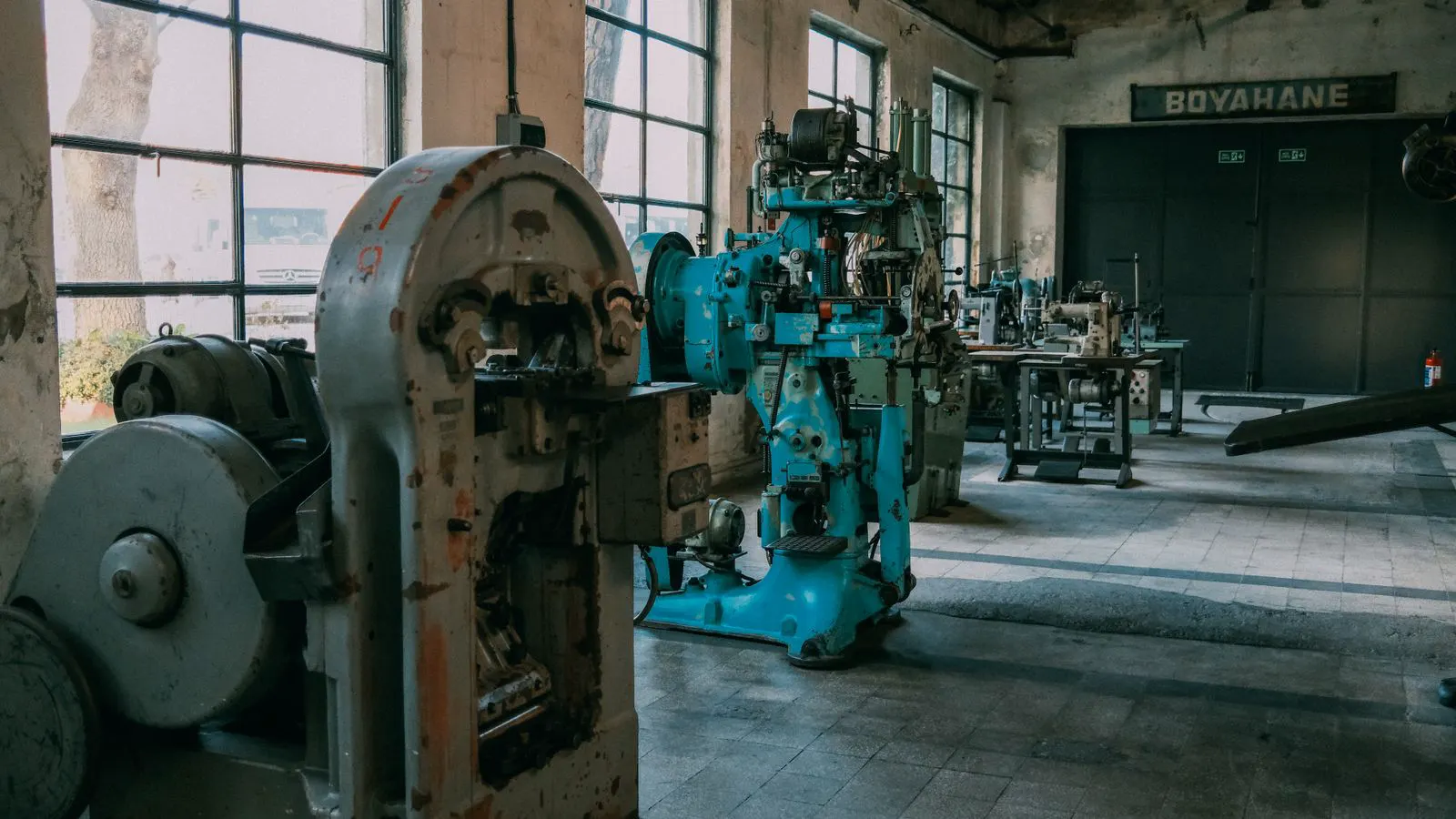
Future high reduction gearboxes are shifting toward smaller footprints, better thermal management, and smarter control integration. Buyers should plan for material
Practical selection and maintenance for industrial gearboxes and reducers.
This site supports technical buyers and engineers who must choose between helical, spur, planetary, and worm gearboxes. It covers torque, speed, housing size, mounting, lubrication, efficiency, noise, and service intervals. Content is written for people who compare specifications, review supplier documentation, and verify performance before placing orders.
The guides are organized by decision point. You will find sections on helical and spur gearboxes, planetary and worm gear systems, sizing and selection, lubrication and maintenance, efficiency and noise, cost and lead time, and supplier evaluation. Each article focuses on the variables that affect output, reliability, and total cost of ownership.
Start with the stage of the sourcing process you are in.
Explore construction, torque capacity, and application fit for helical and spur gearboxes in industrial drive systems.
Compare planetary and worm gear reducers by ratio, size, efficiency, and typical uses in compact or high-reduction drives.
Learn how to calculate load, speed, torque, and service factors to select the right gearbox size and configuration for your application.
Understand lubricant types, grease and oil options, filling methods, and maintenance intervals for reliable gearbox service.
See how gear type, lubrication, and alignment affect energy losses, heat build-up, and operating noise in gearboxes.
Review pricing factors, standard versus custom options, and typical lead times to plan gearbox procurement and budgeting.
Evaluate suppliers on certifications, documentation, technical support, warranty, and fit for specific industrial gear reducer requirements.
Future high reduction gearboxes are shifting toward smaller footprints, better thermal management, and smarter control integration. Buyers should plan for material

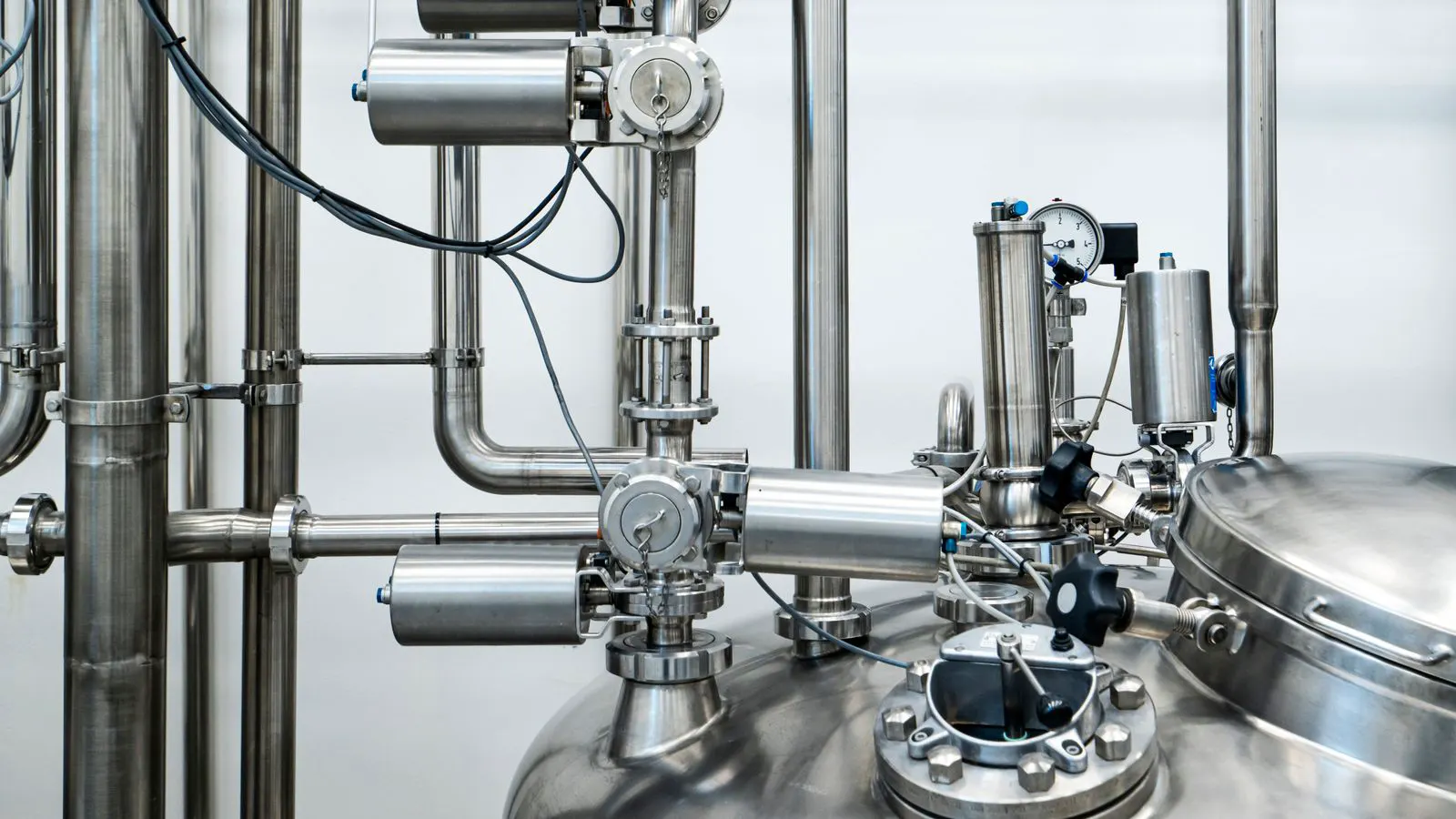
Verify planetary gear reducer efficiency claims by auditing technical documentation, confirming test methods, and checking for specific operating conditions. This guide

Match spur reducer VFD input speeds by aligning the gearbox base speed with the VFD output range. Use motor nameplate data to verify torque margins, thermal limits, and
Lowering gear noise reduction requires isolating the drive from the structure. This guide covers vibration damping, mounting feet, and step-by-step verification. You

Excessive heat in a worm gear gearbox usually points to an overloaded motor, degraded lubricant, or a mismatch between the thermal rating and the continuous duty cycle.
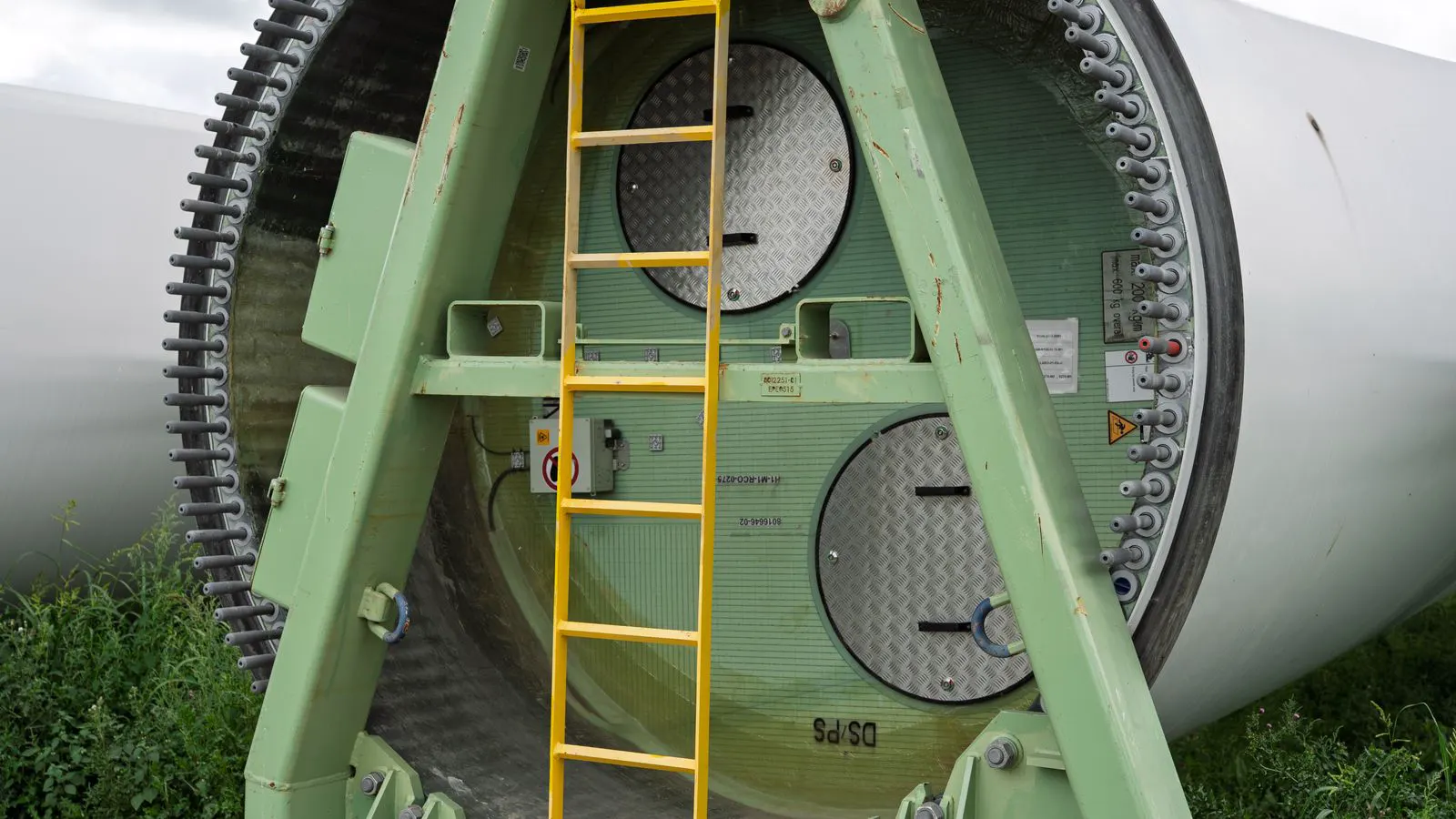
Helical gearboxes typically offer smoother meshing and lower noise than spur gearboxes, but spur designs are simpler and often cheaper. This guide outlines the tradeoffs

A worm gear application relies on a high friction angle between the worm and wheel. This geometry creates self-locking, preventing backdriving and adding mechanical

Future industrial gearboxes will rely on quieter gear geometry, optimized lubrication, and advanced acoustic engineering. Buyers should plan for tighter tolerance
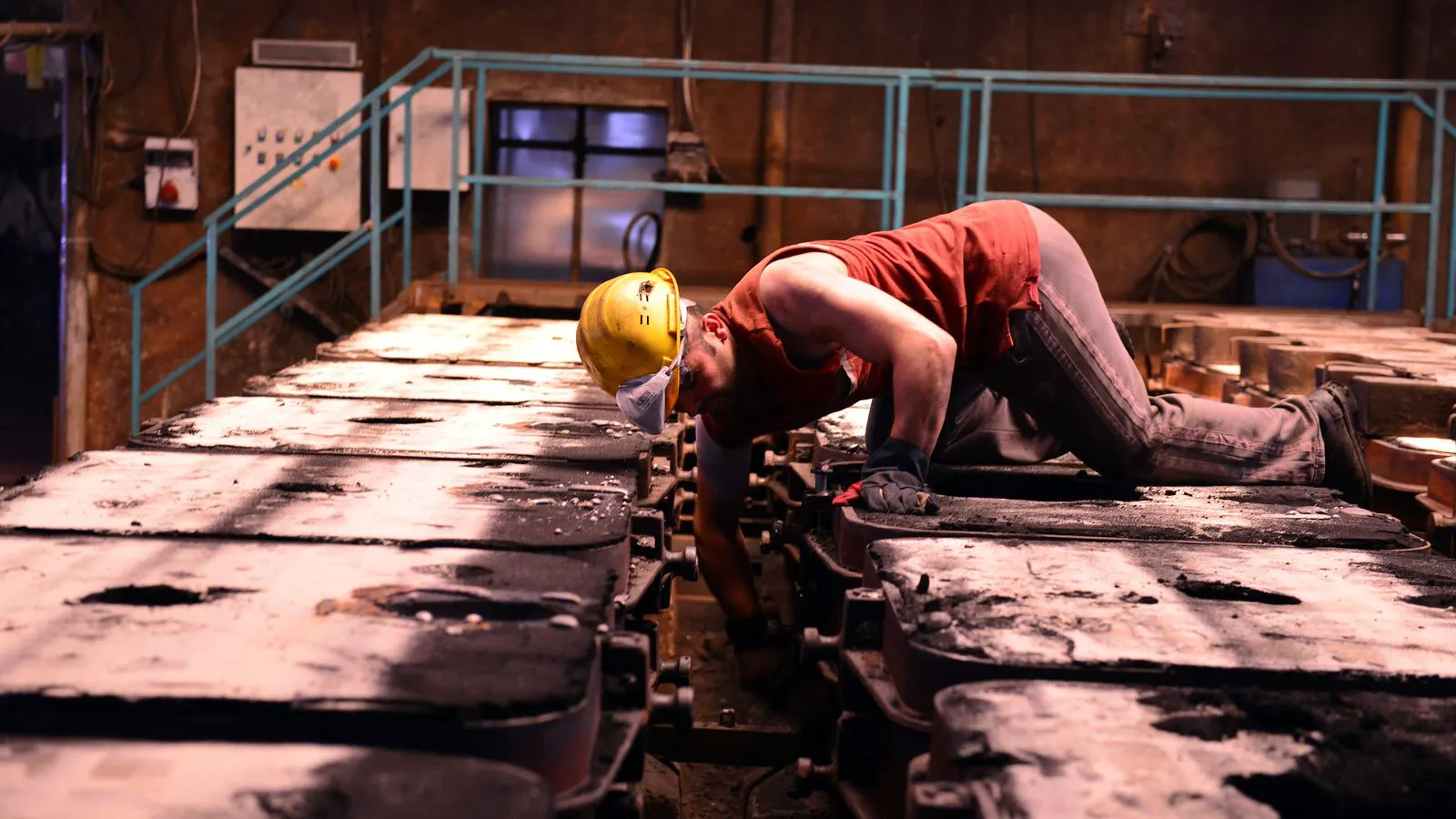
Sudden high gear noise usually signals misalignment, lubrication failure, or early tooth wear. This guide outlines how to isolate the source, apply targeted gear noise
A reducer's duty cycle rating must match the specific load profile, speed, and environment. This checklist provides a structured process to verify torque, temperature
Helical gearboxes usually provide smoother operation and lower noise at higher speeds. Spur gearboxes are simpler, easier to service, and often cheaper for moderate speed and high torque applications. The choice depends on speed, noise limits, housing space, and service access.
Worm reducers provide high reduction ratios in compact housings and often have self-locking characteristics. They are suited to high-ratio, low-speed applications where backlash control and compactness matter. Efficiency is generally lower than in helical or planetary systems.
Verify torque, speed, duty cycle, mounting position, housing dimensions, and service interval. A gearbox that meets peak torque but runs continuously at high load without adequate cooling or lubrication may fail. Match the rating to the actual operating profile.
Lubricant type, fill level, and replacement interval directly affect bearing and gear surface life. Using the wrong viscosity or ignoring contamination can cause premature wear. Follow the manufacturer's lubrication specification and inspect for leaks or contamination during service.
Custom ratios, special housings, higher torque ratings, and longer service intervals increase cost and production time. Standard stock units typically ship faster. Define your specifications early and confirm lead times with the supplier before finalizing the purchase.
Request the full technical data sheet, bearing specifications, lubricant recommendations, and service intervals. Ask for noise and efficiency data at the operating point. Confirm the warranty terms, spare parts availability, and whether the unit includes mounting flanges, output shafts, or protective covers.