
Helical & Spur Gearboxes
Troubleshooting: Low Output Torque in Helical Gearboxes
Low output torque in helical gearboxes usually stems from lubrication failure, misalignment, or overload. This guide lists common symptoms, identifies mechanical causes
Explore construction, torque capacity, and application fit for helical and spur gearboxes in industrial drive systems.
Low output torque in helical gearboxes usually stems from lubrication failure, misalignment, or overload. This guide lists common symptoms, identifies mechanical causes
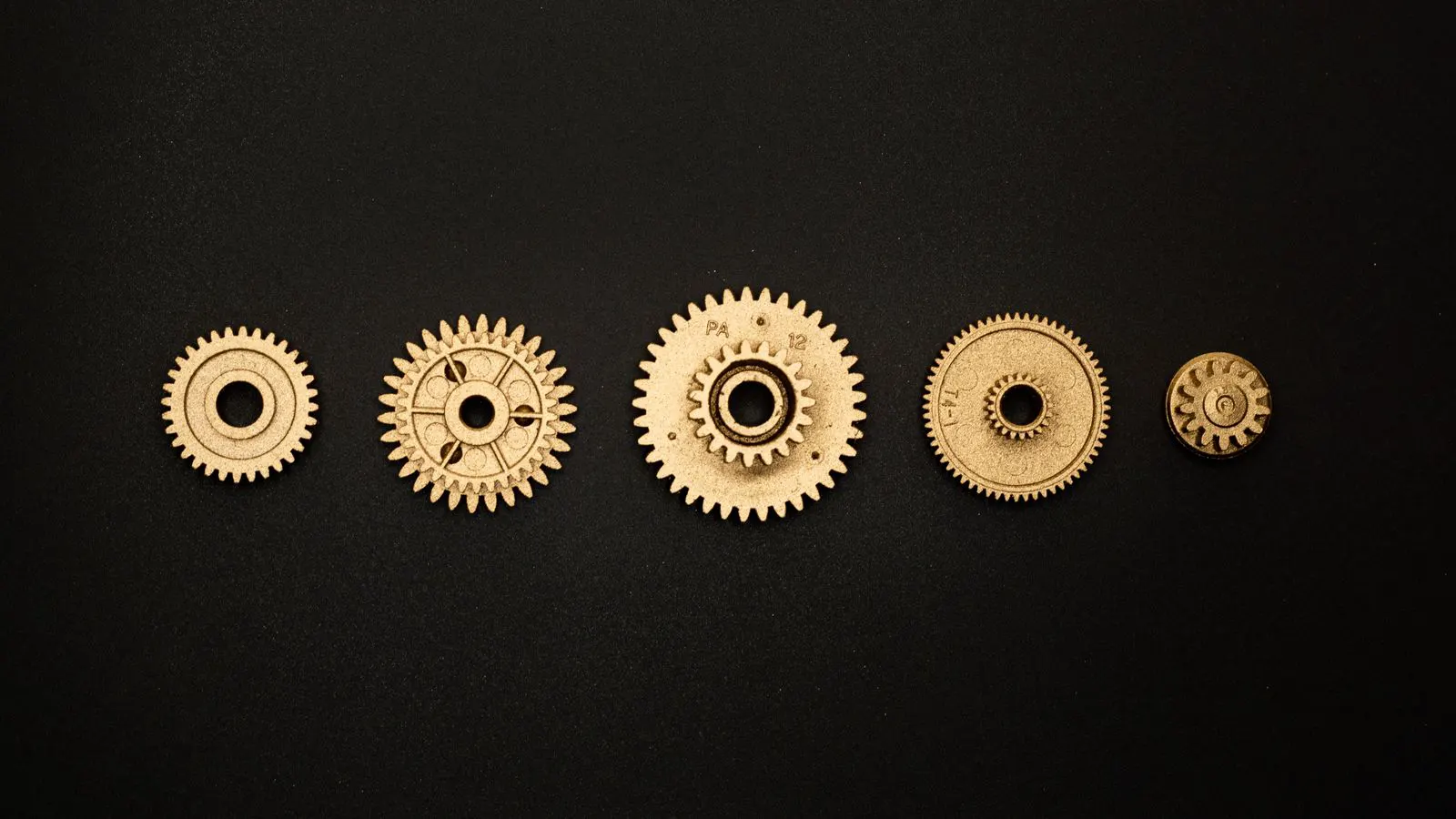
Proper spur gearbox alignment requires precise shaft positioning, bearing support, and torque control. This guide provides actionable instructions for mechanical
Spur reducers for VFD drives must handle variable speed, torque spikes, and thermal cycling. This guide covers the technical criteria for matching a spur reducer to a

Use this checklist to verify helical gearbox noise ratings against your facility's requirements. Check the manufacturer's acoustic data sheet, confirm the test standard
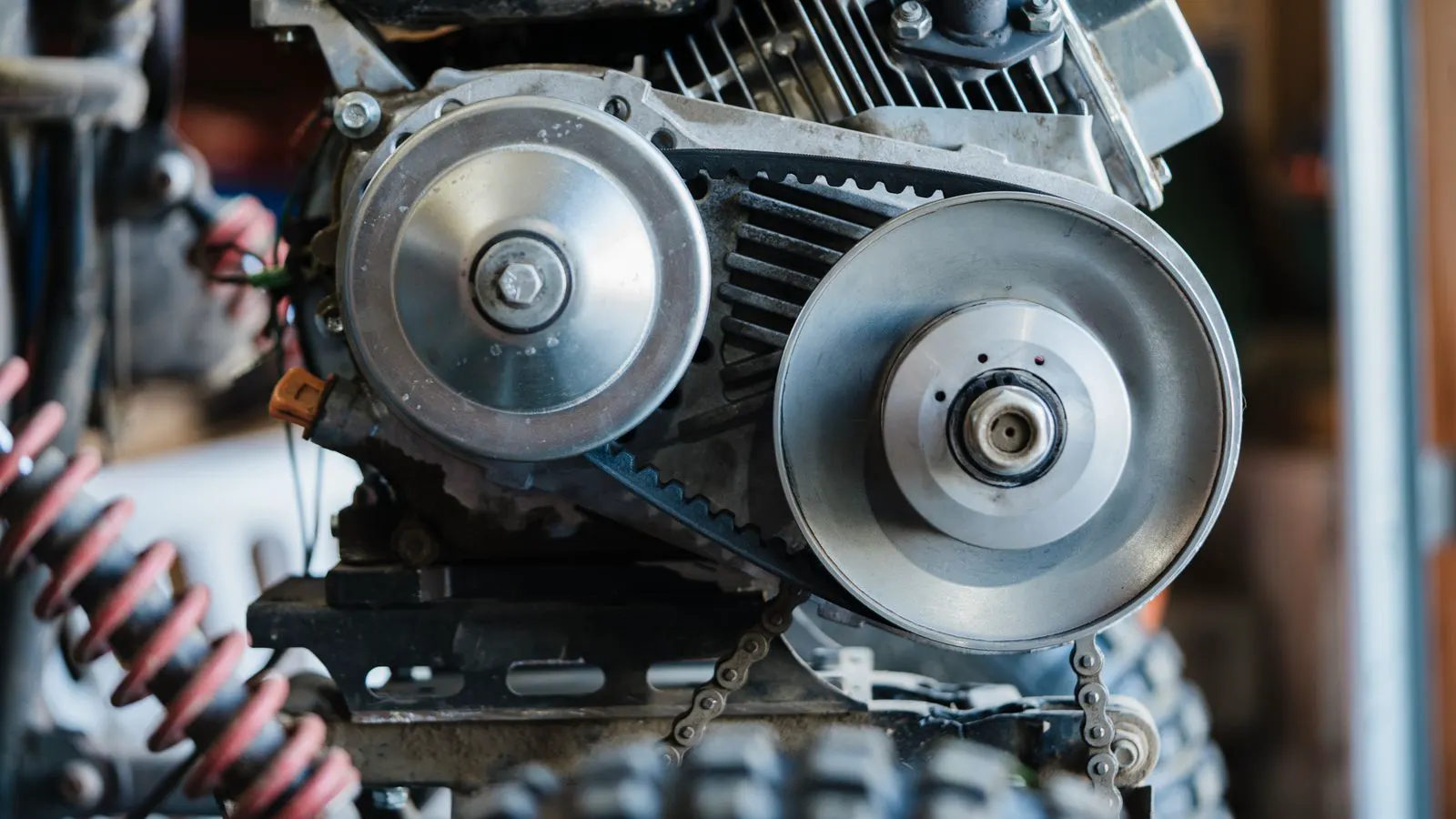
A herringbone gearbox reduces noise by canceling axial thrust, while a standard helical unit offers simpler manufacturing. Spur gear reducers handle lower loads with
Pairing a spur gear reducer with a variable frequency drive requires matching the rated speed to the drive output, selecting a service factor for torque peaks, and

Verify frame dimensions, shaft alignment, and torque specs against the manufacturer's datasheet. Use this checklist to prevent premature bearing failure and vibration

Helical gearbox selection for high torque requires verifying service factors, material grades, and shaft alignment. Buyers must match rated output torque to continuous

Abnormal noise in spur gear reducers usually traces to worn bearings, misaligned shafts, insufficient lubrication, or tooth contact errors. This guide walks maintenance
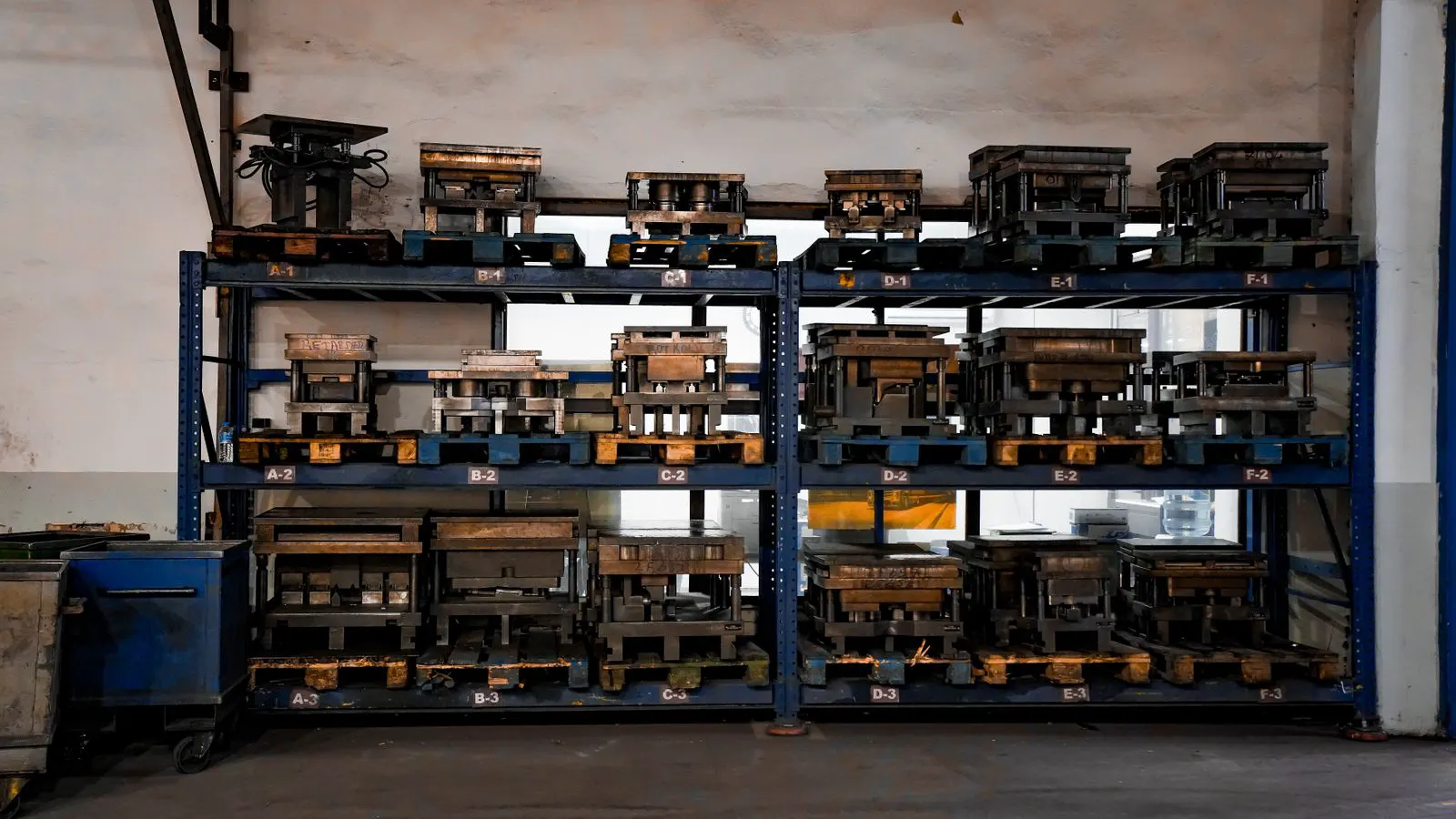
Parallel shaft gearbox efficiency drops due to friction, heat, and gear geometry. Helical gearboxes reduce noise but increase sliding friction. Proper alignment and

A gearbox service factor is a multiplier applied to nominal load to account for shock, duty, and wear. It directly affects gear sizing and load capacity, ensuring the
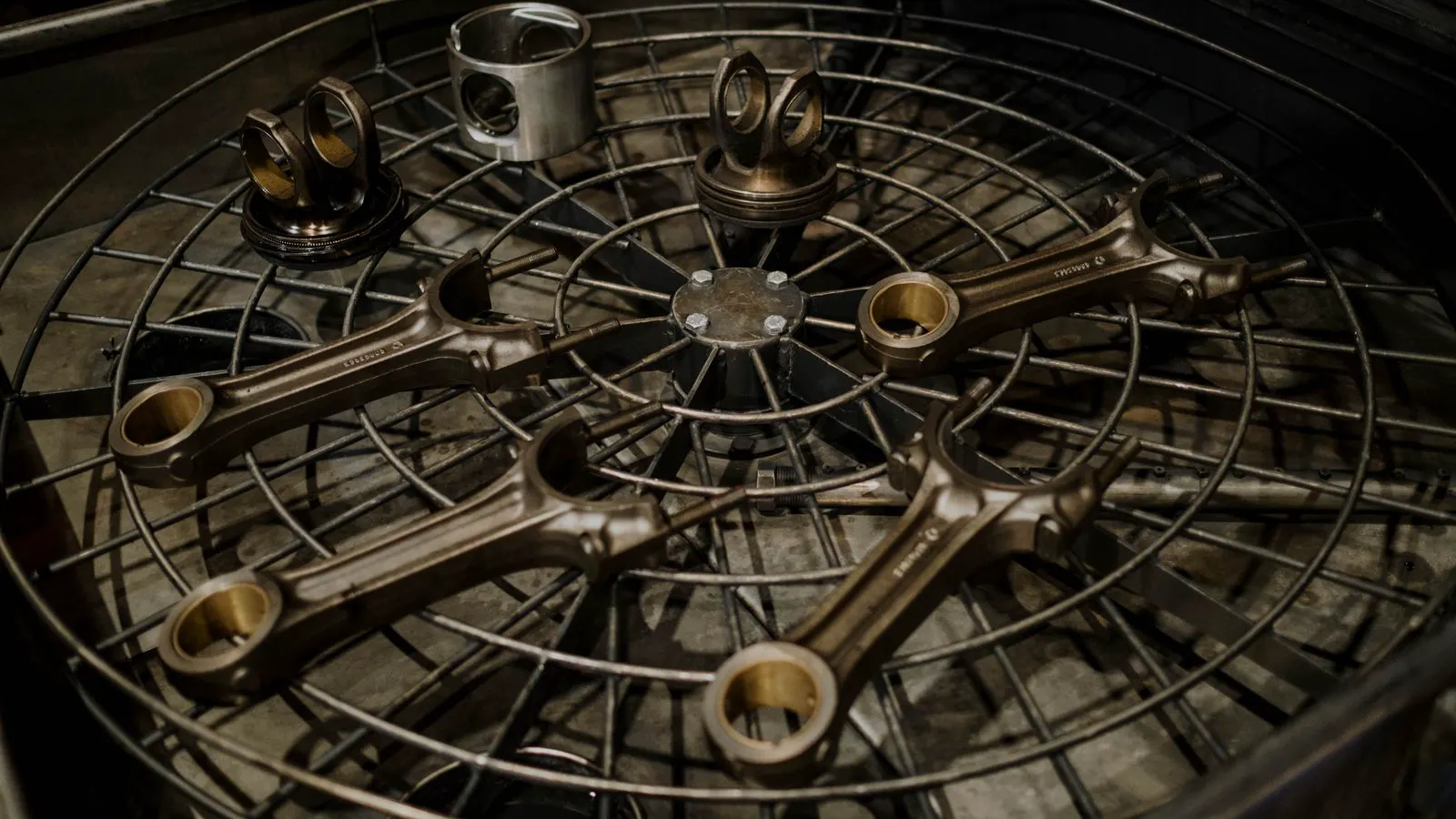
Proper alignment of parallel shaft gearboxes involves checking shaft parallelism, verifying housing position, and confirming drive coupling integrity. Correct setup