Buyers Guide: Vetting Speed Reducer OEM Partners
Vetting a speed reducer manufacturer requires more than checking price lists. You must audit production capacity, test gear materials, and verify warranty terms. This guide provides a practical framework for procurement managers to qualify reliable OEM partners for long-term industrial supply agreements.
- Verify production capacity and material sourcing before committing to a long-term supply agreement.
- Inspect gear material certifications and ask for raw mill test reports.
- Review warranty terms in writing and confirm who covers field failure costs.
- Test technical support response times with a live scenario before signing.
- Use a structured decision checklist to compare multiple qualified suppliers.
Procurement managers often receive quotes from multiple vendors before they know if the supplier can actually deliver a consistent product. A speed reducer manufacturer can look impressive in a catalog, but the real test happens during technical audits, sample testing, and post-installation support. This guide breaks down how to qualify manufacturers for long-term OEM sourcing without falling into common traps.
Define your technical requirements first
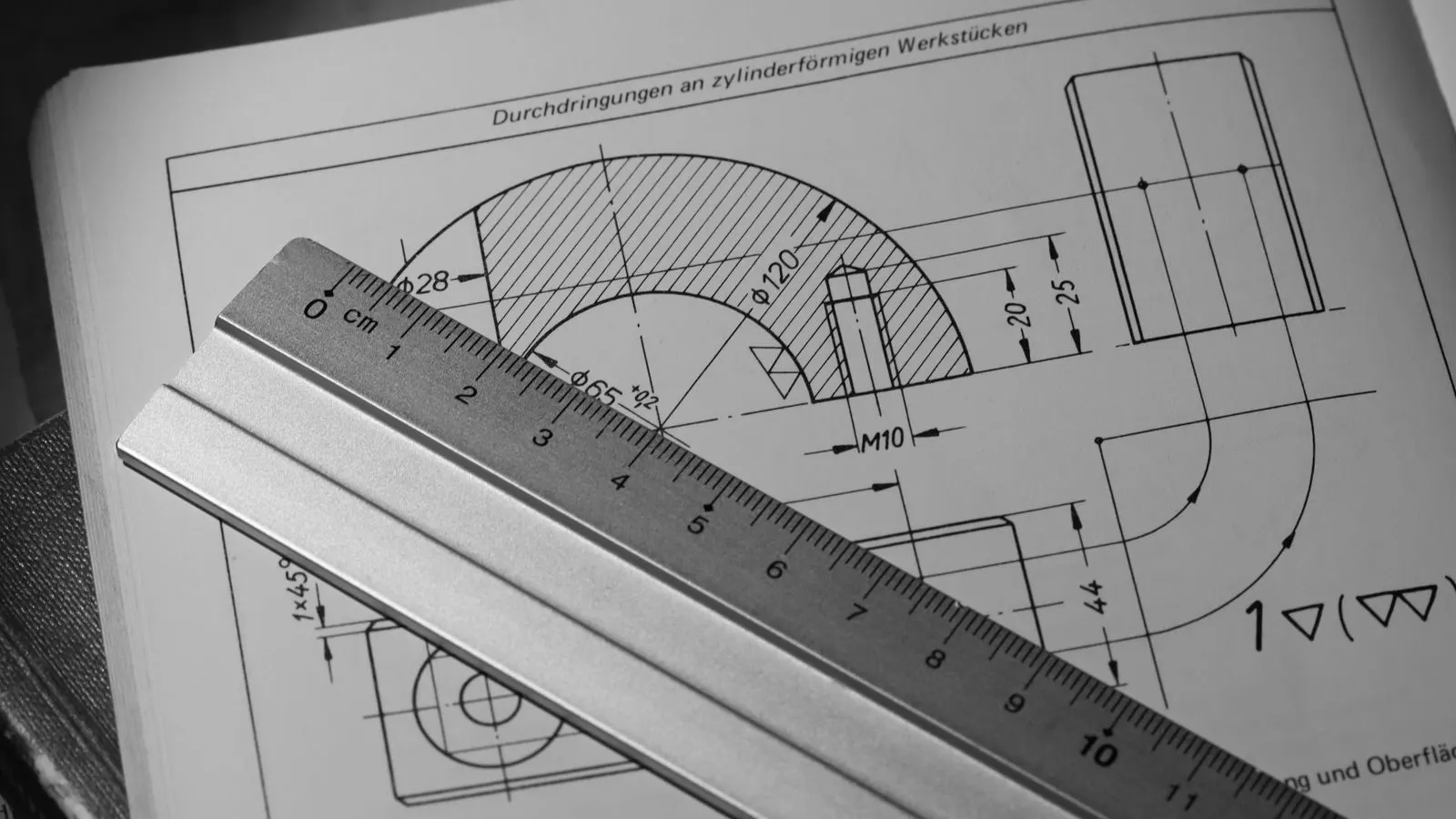
Before contacting any supplier, you need a clear technical specification. A generic request for a “heavy duty reducer” leads to mismatched products and expensive redesigns. Vendors interpret vague descriptions differently, and the resulting product often misses your actual operating conditions.
Start with the operating parameters. List the input power, output torque, speed ratio, and mounting type. Specify the environment. If the gearbox runs in a food processing plant, the sealing standard and lubricant type matter more than the paint color. You need IP65 or IP69K protection to handle high-pressure washdowns. The grease must be food-grade and compliant with relevant regulations. If it operates in a chemical plant, the housing material and gasket type become critical. Cast iron may corrode under aggressive fluids. Stainless steel or aluminum alloys might be necessary. The gasket material must resist the specific chemical present in your process.
Write these specs as a formal document. Send the same document to every supplier you evaluate. This creates a baseline for comparison. It also makes it harder for a vendor to shift the goalposts during negotiations. A solid specification includes the service factor you require. It defines the ambient temperature range, the dust and moisture levels, and the expected duty cycle. If the machine runs continuously, state that clearly. If it is intermittent, specify the load profile.
Do not leave the mounting details ambiguous. Specify the shaft position, the housing flange dimensions, and the coupling type. A mismatch here causes field modifications that cost thousands of dollars in labor.
Audit the production facility
A catalog does not prove capability. You need to see the factory. Request a virtual or physical tour. Focus on three areas.
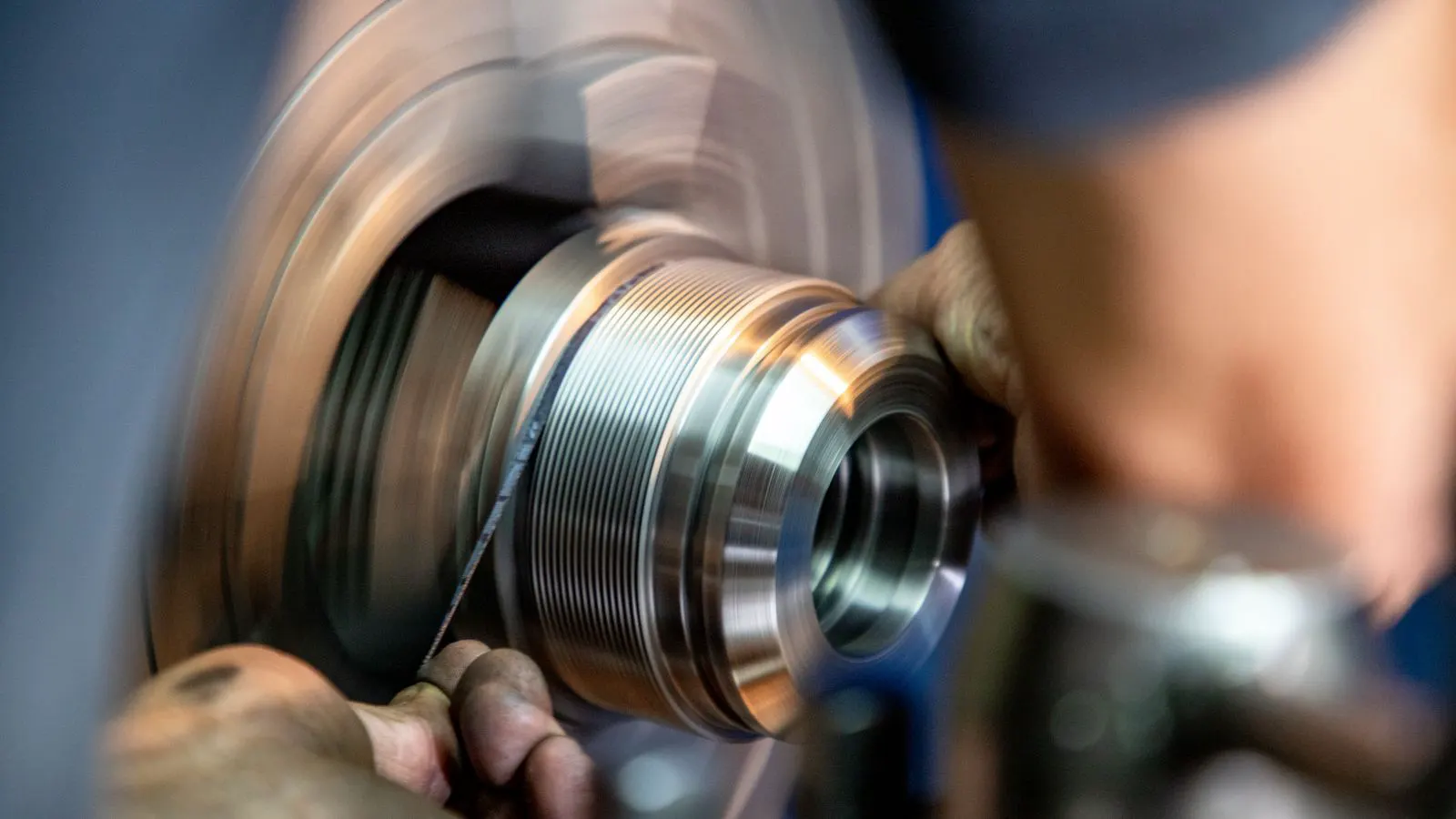
First, the gear grinding and heat treatment shop. Look for the machines doing the work. Are the teeth being ground or cut? Ground gears generally have better surface finish and lower noise. Cut gears are acceptable for low-speed applications, but they are not suitable for high-precision industrial gearboxes. Ask if they do their own heat treatment or outsource it. Outsourcing is common, but you need to know who controls the process. If they outsource, ask for the heat treatment log for your specific batch. Look for the quenching medium, the cooling rate, and the final hardness values.
Second, the assembly area. Watch how gears and bearings are installed. Proper alignment and torque control prevent premature failure. Ask about their torque wrench calibration logs. If they do not keep records, that is a red flag. Check if they use go-gauges to verify shaft alignment. A slight misalignment at assembly can cause uneven gear tooth contact and rapid wear. Observe the cleanliness of the workshop. Metal shavings on the floor or in the housing indicate poor housekeeping, which can lead to abrasive wear inside the final unit.
Third, the quality control lab. Ask for their test bench specifications. How do they test load, efficiency, and noise? Do they have a dedicated team, or is the same person who assembles the gear also testing it? Independent verification is a standard practice in reliable manufacturing. Look for data logging systems. If the test bench records efficiency and temperature rise, ask to see a sample report from a similar model. This proves they can quantify performance, not just claim it.
Check material and process certifications
Gear failure often starts with material defects, not bad assembly. Ask for mill test reports for the steel used in pinions and gears. You want proof that the material meets the specified hardness and carbon content. Common materials include case-hardened steel for pinions and alloy steel for wheels. The carbon content affects the hardness after heat treatment. If the carbon level is off, the gears may be too soft or too brittle.
For cast housings, ask for non-destructive testing records. X-ray or ultrasonic testing can catch internal voids that cause cracking under load. Do not accept “certified materials” as a vague claim. Ask for the specific certificate numbers and the testing laboratory name. Verify that the lab is accredited by a recognized body. This adds a layer of trust in the data.
Also, ask about the surface treatment process. If the gears are case-carbured, what is the case depth? Too thin, and the teeth wear through quickly. Too thick, and the core becomes soft and prone to cracking. The heat treatment process is the defining factor in the life of a gear. If a supplier cannot explain their case depth control, do not trust their longevity claims.
Evaluate warranty terms and failure support
A standard one-year warranty is common, but it is not the only thing to look at. Read the fine print. Does the warranty cover bearings, seals, and electrical components, or just the gear mesh? Does it require the customer to return the unit, or will the supplier send a technician? The logistics of a warranty claim can cost more than the repair itself.
Ask about field failure costs. If a gearbox fails on your production line, who pays for labor? Who pays for expedited shipping? A good speed reducer manufacturer will have a clear process for this. A bad one will make you chase claims for weeks. Look for a response time guarantee. If the unit fails, will they dispatch a part within 48 hours? Will they send a field engineer?
Compare warranty terms side by side. Some suppliers offer extended warranties for a fee. Others include spare parts kits. Evaluate the total cost of ownership, not just the upfront price. A slightly more expensive unit with a 5-year warranty and a field service team often costs less over ten years than a cheap unit with a 1-year warranty and no support.
Test technical support with a live scenario
Technical support is not a phone number in a brochure. It is a human who can solve a problem at 2 AM.
Send a technical question to the sales team. Ask for a calculation sheet for a specific application. Then send a second question to the engineering support line. Time how long it takes to get a response. Ask for a sample torque-speed curve. See if they can explain why the curve has that shape.
If the response is slow or generic, that is a warning. A reliable supplier will want to understand your application. They will ask questions back. They will provide data, not just marketing copy. Ask them to explain their service factor calculation. If they can only quote a standard factor without explaining how it applies to your specific load profile, their engineering depth is limited.
Also, test their documentation. Ask for their installation manual and maintenance schedule. A high-quality manufacturer provides detailed diagrams, torque specifications, and lubrication intervals. If the documentation is thin or missing key values, the support quality will suffer.
Compare suppliers using a criteria table
Do not rely on gut feeling. Use a structured comparison. Below is a table that covers the most common evaluation criteria.
| Criterion | What to look for | Why it matters |
|---|---|---|
| Production capacity | Machine types, shift patterns, current order backlog | Ensures they can meet your volume without delays |
| Material control | Mill test reports, heat treatment logs, raw material traceability | Prevents gear cracking and surface failure |
| Quality testing | Dedicated test bench, load testing records, efficiency data | Confirms the product performs as rated |
| Warranty terms | Coverage scope, claim process, field service policy | Reduces risk and downtime cost during failure |
| Technical support | Response time, engineering access, documentation quality | Determines how quickly you can solve problems |
Use a decision checklist
Before signing a long-term agreement, run the supplier through this checklist.
- Can they provide mill test reports for the gear steel?
- Do they perform their own gear grinding and heat treatment?
- Is the warranty written in a contract and clearly defined?
- Did a technical engineer respond to your test question within 24 hours?
- Can they provide references from similar industrial applications?
- Do they have a documented process for handling field failures?
If the answer to any of these is no, pause. You can negotiate, but you cannot negotiate capability you do not have. A supplier who cannot provide these basics is likely to fail you when the product fails in the field.
Plan for long-term supply risk
A single source is convenient, but it is risky. If your supplier has a fire, a labor dispute, or a quality issue, your production stops.
Consider a dual-source strategy. Qualify two suppliers who can both meet your specs. Split the volume between them. Keep spare parts on hand for the critical units. This protects your operation without adding too much complexity.
Review the supplier relationship annually. Check if their capacity has changed. Ask if their quality metrics have improved. Keep the evaluation process active, not just a one-time event.
Common mistakes to avoid
Buyers often make the same errors during vetting.
They skip the factory tour because it takes time. They rely on the sales team to answer technical questions. They sign a contract before reviewing the warranty fine print. They do not test the support line. They choose the lowest price without factoring in downtime risk.
Each of these mistakes saves a small amount of time or money upfront. Each one creates a larger problem later.
The goal is not to find the cheapest speed reducer manufacturer. The goal is to find a partner who can deliver a consistent, reliable product and support you when things go wrong. That requires work, but it is worth the effort.
Frequently asked questions
How long should a factory tour take?
A thorough tour takes two to four hours. Focus on the gear shop, assembly area, and quality lab. Do not spend time in the sales office.
Do I need a physical tour if the supplier is overseas?
A virtual tour is a minimum. For high-volume orders, a physical audit is strongly recommended. You can also send a third-party inspection firm to verify claims.
What is a typical warranty period for industrial reducers?
One year is standard for most industrial gearboxes. Some suppliers offer two years or longer for specific models. Always check what components are covered.
How do I verify a supplier's production capacity?
Ask for their current order backlog and machine utilization rates. Request references from other buyers with similar volume needs. Check if they have dedicated lines for your product type.
What should I do if a supplier refuses to provide mill test reports?
Treat it as a red flag. Do not sign a long-term agreement. You can ask for a one-time sample for independent testing before committing to volume.