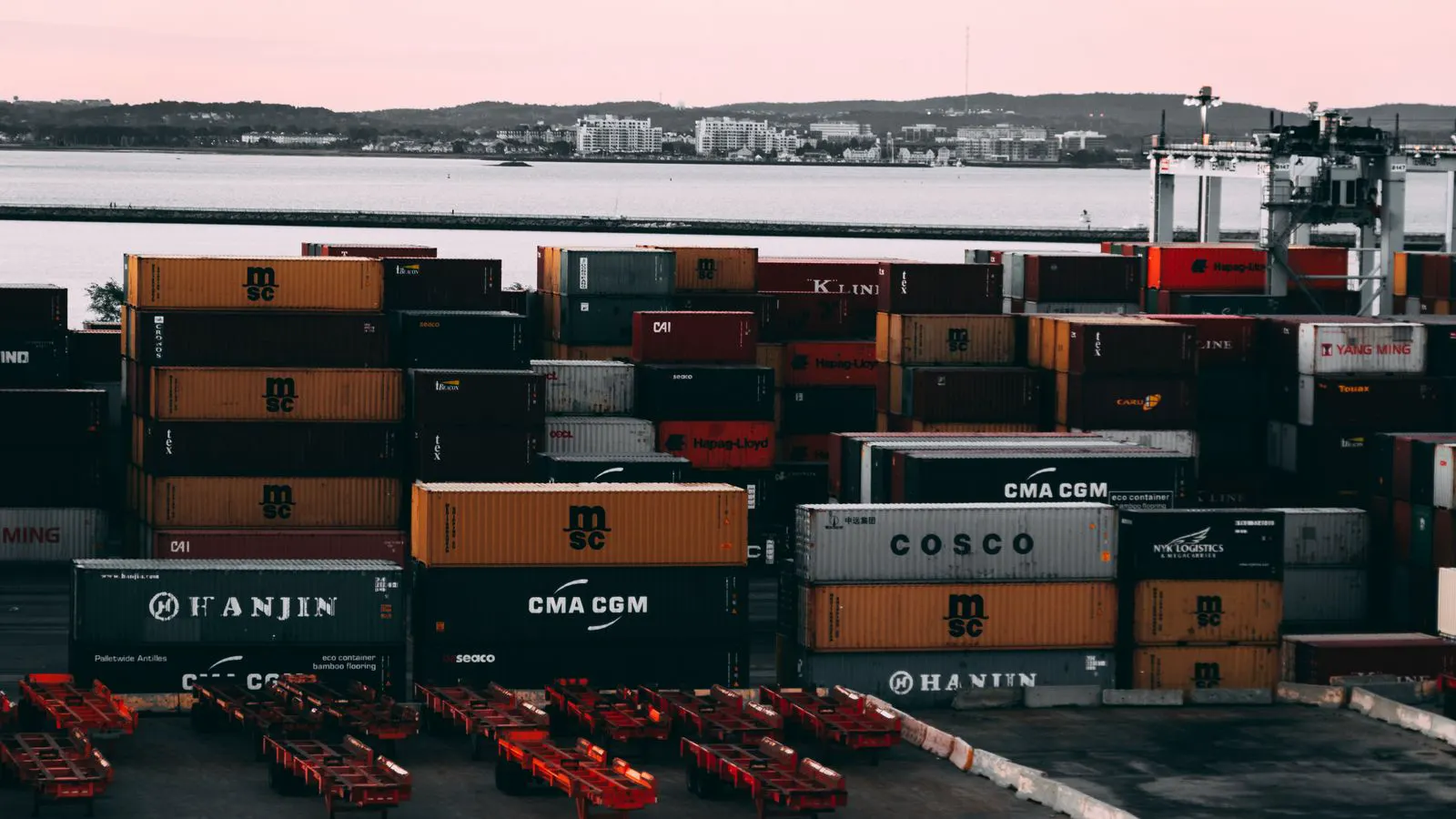
Outlook: Supply Chain Shifts in Gearbox Manufacturing

Global shifts in gearbox supply chain dynamics are changing availability, lead times, and sourcing options. This outlook identifies five trends affecting gear reducers and offers practical preparation steps for engineering and procurement teams.
- Global component sourcing creates longer and less predictable lead times for gearbox assemblies.
- Regional manufacturing hubs are reducing dependence on single-country supply lines.
- Raw material volatility directly impacts gearbox pricing and availability windows.
- Digital traceability requirements are increasing documentation time from suppliers.
- Early supplier engagement and dual sourcing reduce procurement risks for critical applications.
How Global Sourcing Is Reshaping Gearbox Availability
Gearbox supply chain structures that supported fast delivery in earlier decades are under pressure. Buyers ordering imported speed reducers often encounter longer confirmation windows and tighter delivery dates. The shift is not limited to a single commodity. It runs through raw material extraction, component fabrication, final assembly, and export logistics.
Procurement teams now manage longer lead time chains. A standard helical gearbox may require precision ground gears, cast housing sections, bearings, and lubricant fills. Each stage adds potential delay. When one component faces a bottleneck, the final assembly date moves.
Regional manufacturing hubs are absorbing demand. Production capacity has moved to multiple continents to reduce exposure to single-country disruptions. This diversification improves long term availability but creates a patchwork of regional suppliers. Buyers must now manage relationships across different time zones, standards, and regulatory environments.
For engineering teams, this means specifying gearboxes with more flexibility. Tight dimensional tolerances or exotic surface treatments can slow approval cycles. Standardized gear geometries and common bearing types tend to move through supply chains faster.
What Raw Material Volatility Does to Gearbox Pricing
Gearbox manufacturing depends on steel, aluminum, copper, and specialty alloys. Price movements in these materials ripple through component costs. A shift in steel mill output or aluminum smelting capacity can affect housing prices and shaft costs within a quarter.
Buyers observe these changes in two ways. First, quote prices change between revisions. Second, suppliers add surcharges or extend lead times to protect margins. The impact is not uniform across all gearbox types.
High torque reducers with heavy cast housings absorb material cost changes more visibly. Small planetary gearboxes with high precision parts may see price changes through labor and machining costs rather than raw material surcharges.
To manage this exposure, procurement teams should lock pricing windows in contracts. A fixed price for a defined production period gives buyers stability. It also gives suppliers the confidence to reserve capacity. For long term projects, staged purchase agreements help align material procurement with assembly schedules.
How Regionalization Changes Sourcing Strategy
The old model of sourcing all gearboxes from one or two regions is giving way to multi regional sourcing. Buyers now split orders across multiple suppliers in different geographic areas. This approach reduces single point failure risk but increases coordination effort.
Regional proximity affects quality control. When suppliers are closer to the end user, inspection visits are faster. Corrective actions happen in days rather than weeks. This is especially valuable for custom gearboxes where design iterations are common.
Custom speed reducers face different supply chain pressures than standard units. A custom gearbox may require special housing machining, non standard motor connections, or integrated control panels. Each customization step extends the lead time. Buyers who need custom units should start the engineering phase early.
The practical approach is to split the order. Purchase standard units from established regional suppliers for immediate deployment. Keep custom units with a secondary supplier for future expansion. This dual sourcing strategy protects the production line while maintaining negotiation use.
What Digital Traceability Adds to Procurement Risks
Modern gearbox supply chains require more documentation than they did a decade ago. Buyers in regulated industries need proof of material composition, heat treatment records, and quality inspection results. This traceability requirement changes how procurement teams evaluate suppliers.
A gearbox quote now includes more than price and lead time. It includes a documentation package. The supplier must show traceability for critical components. For high reliability applications, buyers request material test certificates for shafts and housing steel. They also request bearing supplier certifications.
This documentation work adds time to the sales process. A supplier who cannot produce complete records quickly may lose a bid, even with a lower price. The risk shifts from price competition to documentation capability.
Procurement teams should ask for sample documentation during the qualification phase. Request a material certificate for a common bearing or a heat treatment log for a gear shaft. This test reveals whether the supplier can meet compliance requirements without delays. It also prevents surprises during factory audits.
How Inventory Practices Are Changing for Gearbox Buyers
Gearbox buyers are moving away from just in time inventory for critical components. The pressure to reduce working capital conflicts with the need for production continuity. Many teams now keep strategic stock of high usage gearboxes.
The decision depends on application criticality. A gearbox for a non critical auxiliary pump may be ordered as needed. A gearbox for a primary crusher or a conveyor drive system may warrant a six month buffer stock.
Strategic stock also protects against lead time extensions. If a supplier announces a two month delay, a stocked unit keeps the line running. The cost of holding inventory must be weighed against the cost of downtime. For high throughput operations, the cost of downtime often exceeds the carrying cost of the gearbox.
Buyers should track lead time variance, not just average lead time. A supplier with an average of twelve weeks but a standard deviation of four weeks poses a different risk than a supplier with consistent eight week delivery. Procurement teams should use rolling forecasts and maintain buffer stock for units with high lead time variance.
A Practical Checklist for Managing Gearbox Supply Chain Risks
| Risk Area | Preparation Step | Documentation Needed |
|---|---|---|
| Component sourcing | Qualify at least two suppliers per critical gearbox type | Supplier capability statement and audit report |
| Lead time stability | Track on time delivery over six months | Delivery performance report |
| Material volatility | Include price adjustment clauses in contracts | Material cost index reference |
| Quality traceability | Request sample certificates during qualification | Material test certificate and heat treatment log |
| Inventory risk | Maintain buffer stock for critical applications | Safety stock level and reorder point calculation |
The checklist above supports a structured approach to supply chain management. Each row addresses a specific risk. The documentation column shows what evidence to collect. This prevents reliance on verbal assurances from sales teams.
How Early Supplier Engagement Reduces Procurement Risks
The most effective strategy for managing gearbox supply chain risks is early engagement. Buyers who wait until a project is fully specified lose use. They also lose time.
Early engagement means sharing preliminary requirements with suppliers before the final design is locked. This allows suppliers to identify potential bottlenecks. A supplier may flag that a specific bearing is short in supply. They may suggest an equivalent with similar performance characteristics.
This conversation happens during the engineering phase, not during the purchasing phase. It saves weeks of rework. It also builds a working relationship that supports future orders.
Procurement teams should schedule quarterly supplier reviews. These meetings cover lead time performance, material costs, and capacity plans. The goal is to identify problems before they affect production. A two month delay warning during a quarterly review is manageable. A two month delay discovered during a factory audit is not.
Final Outlook for Gearbox Procurement Planning
The gearbox supply chain is shifting toward greater complexity and regional diversity. Buyers must plan for longer lead times, more documentation, and higher coordination effort. The practical response is structured sourcing, strategic inventory, and early supplier engagement.
Engineering teams should standardize where possible. Use common gear geometries and standard bearings to reduce customization. Procurement teams should qualify multiple suppliers and track performance data. These steps reduce procurement risks and protect production continuity.
The direction is clear. Supply chain planning for gearboxes is no longer a reactive task. It is a core part of equipment procurement strategy. Teams that plan early and document thoroughly will maintain better availability and control over their supply chain.
Frequently asked questions
What is the biggest factor affecting gearbox lead times right now?
Component sourcing and regionalization are the biggest factors. Buyers often see longer lead times when precision ground gears or specialty bearings face supply constraints.
How should buyers handle raw material price changes in gearbox contracts?
Include price adjustment clauses tied to material indices. This gives both parties a clear mechanism for price changes without renegotiating the entire contract.
Is dual sourcing worth the added cost for standard gearboxes?
Yes, for critical applications. Dual sourcing reduces single point failure risk. The cost of extra supplier management is usually lower than the cost of production downtime.
What documentation should buyers request during supplier qualification?
Request material test certificates, heat treatment logs, and bearing supplier certifications. This verifies that the supplier can meet compliance requirements without delays.
How much buffer stock should buyers keep for critical gearboxes?
Match buffer stock to lead time variance and downtime cost. A six month buffer for critical drives is common. Non critical applications may need less or no buffer stock.