Explainer: How Alignment Affects Gear Loss
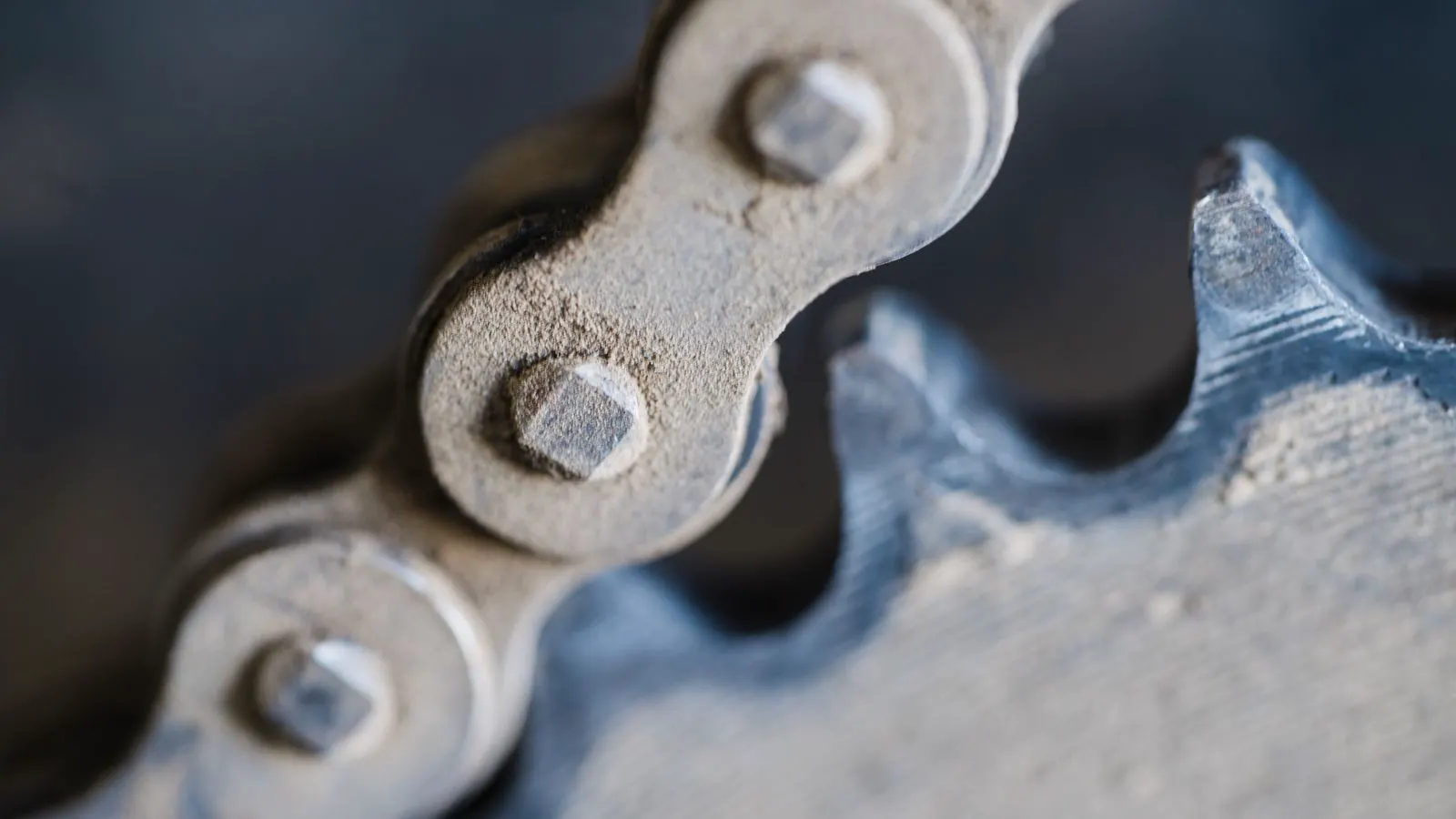
Misalignment shifts load paths, increasing friction and vibration. This generates excess noise and energy loss. Proper shaft alignment protects quiet gearbox performance and extends component life.
- Misalignment forces gears to operate outside their designed load path.
- Increased contact stress leads to higher friction and acoustic emission.
- Energy loss appears as heat and reduced torque transmission efficiency.
- Regular alignment checks prevent premature bearing and tooth damage.
- Proper alignment is a primary factor in achieving a quiet gearbox.
What Alignment Means for Gearbox Operation
A quiet gearbox depends on precise mechanical coordination. Every component, from the input shaft to the output pinion, must rotate on its intended axis. When these axes deviate, even by a small amount, the load distribution changes immediately. This shift forces teeth and bearings to work harder than the design intended. The result is a chain of mechanical reactions that degrade efficiency and increase acoustic output.
Alignment is not just about getting the gearbox to run. It defines how the power is transmitted through the gear train. A well-aligned unit transmits torque with minimal lateral force. A misaligned unit transmits the same torque through a combination of radial and tangential forces. This extra force vector creates localized stress peaks. Those peaks are the physical origin of the noise and heat that engineers measure in the field.
How Misalignment Creates Noise
Noise in a gearbox is not random. It is the audible result of specific mechanical interactions. When a gear pair is aligned, contact occurs across the full tooth profile. The load is spread evenly, and the vibration frequency is predictable and low. When the shafts are misaligned, contact becomes concentrated on the tooth flanks. The teeth strike each other with higher impact forces. This impact excites the gear body and the housing, acting as a sound source.
The vibration travels through the metal structure. It radiates into the surrounding air as sound pressure. The frequency of this radiation often matches the gear mesh frequency or the rotational speed of the shafts. Engineers identify these frequencies during testing. They correlate the peaks in the spectrum with the alignment condition. A shift in the alignment changes the contact pattern, which shifts the frequency content of the noise. This is why a quiet gearbox requires more than just low gear ratio. It requires stable, repeatable contact mechanics.
The Relationship Between Misalignment and Energy Loss
Energy loss in a gearbox is often attributed to friction and bearing drag. Alignment is a hidden variable in this equation. When a shaft is offset, the gear teeth must slide slightly against each other to maintain contact. This micro-sliding increases the friction coefficient at the contact point. The work done to overcome this friction is converted into heat. That heat does not contribute to the output torque. It represents energy that is lost from the system.
Bearing loads also increase with misalignment. A shaft that is not parallel to its mate applies axial and radial forces to the bearings. Bearings are designed for specific load vectors. When the vector changes, the lubricant film between the rolling elements and the raceways is disrupted. This disruption leads to boundary lubrication in some zones. The result is higher rolling resistance and greater energy consumption. The motor must supply more power to maintain the same output speed. This is the direct link between alignment and energy loss.
Alignment Checks for a Quiet Gearbox
Verifying alignment is a routine maintenance task, but it requires specific tools and procedures. Technicians use dial indicators, laser alignment systems, or feeler gauges to measure shaft offset. The goal is to keep the deviation within the manufacturer’s tolerance. This tolerance is usually defined in the technical data sheet. It is often measured in micrometers. A deviation of a few micrometers may seem negligible, but over millions of mesh cycles, it accumulates into significant wear.
The check should be performed under operating conditions. Thermal expansion changes the position of the shafts as the gearbox warms up. A cold check may show perfect alignment, but the running state may reveal a shift. Engineers account for this thermal growth in the alignment calculation. They adjust the cold position so that the hot position remains within tolerance. This step is critical for maintaining a quiet gearbox over its full operating life.
| Alignment Parameter | Effect on Gear Contact | Effect on Noise | Effect on Energy Loss |
|---|---|---|---|
| Parallel Offset | Uneven tooth loading | Higher mesh frequency peaks | Increased sliding friction |
| Angular Misalignment | Edge-of-tooth contact | Broadband noise increase | Higher bearing friction |
| Lateral Displacement | Reduced contact area | Impact noise spikes | Increased axial load loss |
| Correct Alignment | Full flank contact | Minimal acoustic output | Baseline friction loss |
A Worked Example in Plain Words
Imagine a factory line with a conveyor driven by a worm reducer. The line manager notices that the drive motor sounds harsher than it did six months ago. The vibration is felt in the frame, and the power draw on the motor has increased slightly. The maintenance team does not replace the gears immediately. They first check the alignment of the motor shaft to the reducer input shaft.
They find that the motor mounting bolts have loosened over time. The motor has shifted slightly downward. This small vertical offset changes the direction of the torque vector entering the reducer. The pinion gear now hits the worm at a different angle. The contact stress shifts to the edge of the worm teeth. The motor has to work harder to push the load through this changed geometry. The sound becomes sharper because the impact forces are higher. The energy loss increases because of the extra friction at the contact point.
The fix is simple. The motor is repositioned and the bolts are torqued to specification. The alignment is re-checked with a laser tool. The shafts are brought back to parallel. The noise drops to the original level. The power draw returns to baseline. No parts were replaced. The issue was purely geometric. This example shows how alignment is a primary driver of performance. It also shows that a quiet gearbox is not just a product feature. It is a maintained condition.
Sourcing Decisions and Alignment Tolerances
When buying a gearbox, the alignment tolerance is a key specification. High-quality units are designed with tighter tolerances for shaft offset. They often include features that help with alignment, such as precision machined flanges or flexible coupling connections. These features reduce the sensitivity to installation errors. They make it easier to achieve the correct alignment in the field.
The choice of coupling also affects alignment. A rigid coupling transmits misalignment directly to the gearbox shafts. A flexible coupling can absorb some of the offset, but it cannot correct it. It only mitigates the effect. Engineers must decide how much flexibility is needed based on the application. For critical, high-precision drives, the focus is on achieving perfect alignment. For less critical applications, a flexible coupling may be acceptable. Understanding this trade-off helps buyers select the right assembly. A quiet gearbox is easier to achieve when the alignment tolerance is tight and the coupling is appropriate for the load.
Maintenance and Long-Term Noise Control
Alignment degrades over time. Vibration, thermal cycling, and mechanical shock can cause shafts to drift out of position. This drift is slow, but it is constant. A gearbox that was aligned perfectly at installation may be slightly misaligned after a year of operation. The noise will increase gradually. It will not be sudden. It will be a slow rise in the background hum. This makes it easy to miss if the operator is not monitoring the sound.
Regular alignment checks are part of preventive maintenance. They should be scheduled based on the vibration levels of the drive. If the vibration signature changes, the alignment should be inspected. Small adjustments can be made during routine service. This prevents the misalignment from growing into a failure condition. It also prevents the energy loss from accumulating. By maintaining alignment, the gearbox stays within its designed performance envelope. This is the most reliable way to ensure a quiet gearbox continues to perform as expected.
The relationship between alignment and noise is direct and mechanical. Misalignment changes the contact forces. Those forces create vibration. Vibration radiates as sound. The same forces increase friction. Friction consumes energy. Energy loss appears as heat. All of these effects are preventable. They are controlled by the precision of the installation and the consistency of the maintenance. Engineers who understand this relationship can design and operate drives that are both efficient and quiet. The quiet gearbox is not a mystery. It is the result of precise mechanical alignment.
Frequently asked questions
Can misalignment cause a gearbox to fail prematurely?
Yes, misalignment increases stress on teeth and bearings. This accelerates wear and can lead to sudden component failure.
How often should alignment be checked?
Alignment should be checked during installation and during routine maintenance intervals. More frequent checks are needed in high-vibration or high-temperature environments.
What is the difference between parallel and angular misalignment?
Parallel misalignment is when shafts are offset in one direction. Angular misalignment is when shafts are tilted relative to each other. Both cause uneven loading.
Does using a flexible coupling fix misalignment?
No, a flexible coupling can absorb some misalignment but does not correct it. The shafts must still be aligned to the specified tolerance.
How does alignment affect energy consumption?
Misalignment increases friction at the gear teeth and bearings. This causes the motor to consume more energy to maintain the same output speed.