Gearbox Trends: Efficiency and Integration in Industrial Drives
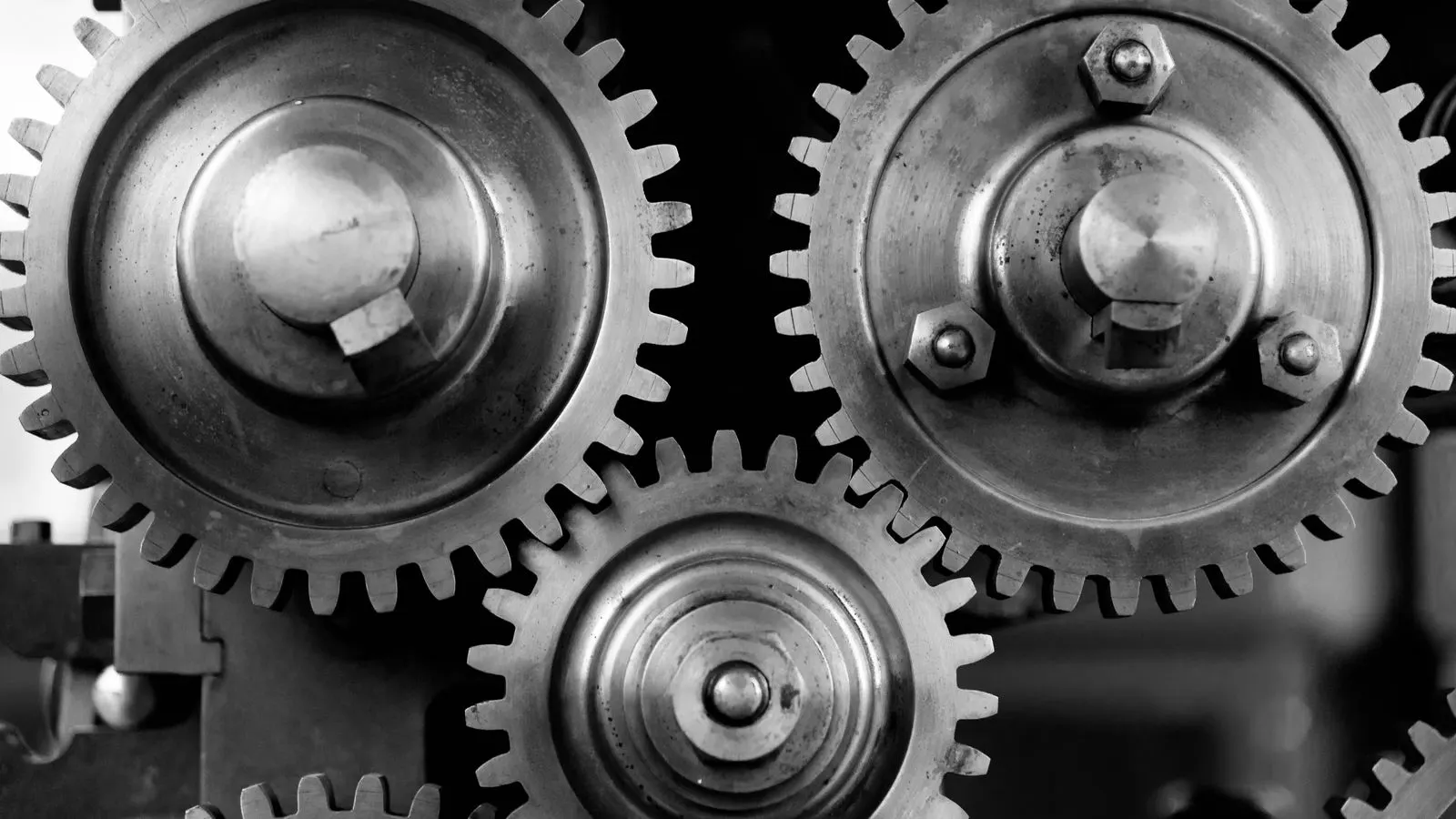
Industrial gearbox trends show a shift toward higher efficiency, integrated motor packages, and digital monitoring. Buyers should plan for tighter torque matching, better thermal management, and smarter selection to reduce downtime and improve process control.
- Efficiency gains are coming from gear geometry, surface treatment, and lower friction components rather than just bigger motors.
- Integrated gearmotors are replacing separate motor and gearbox skids, saving floor space and shortening commissioning.
- Buyers should specify torque density and thermal limits, not just speed ratios, to handle variable loads correctly.
- Digital monitoring and sealed enclosures are becoming standard expectations for critical production lines.
- Selection decisions are moving earlier in the design phase to allow for better motor and drive coordination.
Why Efficiency Is No Longer a Secondary Specification
Modern industrial drives are being judged on total cost of ownership, not just initial purchase price. A gearbox that consumes significantly more power over ten years can cost more than a more expensive unit that runs at higher efficiency. This shift is changing how engineers evaluate industrial gearboxes.
The difference between a standard spur gearbox and a high-efficiency helical design can be meaningful in continuous duty applications. Helical gearboxes reduce meshing noise and allow for smoother power transfer. The contact pattern is longer, which spreads load across more teeth. This lowers stress per tooth and allows designers to use more efficient gear profiles.
Surface treatments are also driving efficiency. Hardening processes reduce wear and maintain contact accuracy over long operating periods. Better maintained gear surfaces keep friction lower. Lubrication strategies have moved away from simple oil baths toward optimized viscosity and filtration. Some systems use synthetic oils that perform better at extreme temperatures.
Buyers should ask for efficiency data at specific speeds and loads, not just a single number. Efficiency changes as the load and speed change. A gearbox rated at high efficiency at rated load may perform differently at partial load. This matters for applications with variable demand.
How Motor Driven Reducers Are Consolidating the Drive
The separate motor and gearbox setup is losing ground to integrated gearmotors. A gearmotor combines the motor and reducer in a single enclosure. This saves mounting space and reduces the number of connections. It also simplifies maintenance because the two components share the same housing and cooling path.
Integration is not just about size. It allows for better thermal management. Heat from the motor can help warm the gearbox oil, which improves lubrication in cold environments. In hot environments, the combined unit can be designed with a single cooling circuit. This reduces the risk of one component overheating while the other stays cool.
The selection process changes when you choose a gearmotor. You are no longer selecting a motor and a gearbox independently. You are selecting a matched pair. The motor torque curve must align with the gearbox torque capacity. The speed ratio must match the load requirement. The insulation class must handle the combined thermal load.
This coordination is the reason gearbox selection is moving earlier in the project timeline. Designers are no longer adding a gearbox at the end of the process. They are selecting the drive package during the initial concept phase. This allows for better integration with the electrical system and the mechanical layout.
What Thermal Management Means for Gearbox Selection
Heat is the primary failure mechanism in industrial gearboxes. Excessive temperature accelerates oil degradation and damages bearings. It can also warp housing components and change gear alignment. A well-designed gearbox manages heat through its geometry, materials, and cooling provisions.
Modern gearboxes use several strategies to manage heat. Larger housings provide more space for oil circulation. Finned housings increase the surface area for air cooling. Some designs use oil cooling loops that circulate lubricant through external heat exchangers. Sealed bearings reduce contamination and heat loss.
The thermal limit is often the deciding factor between two otherwise similar units. Two gearboxes may have the same speed ratio and torque rating. One may be rated for a higher ambient temperature or a higher duty cycle. This difference can be the difference between a unit that survives the job and a unit that fails.
Buyers should specify the maximum operating temperature for the application. If the machine runs in a hot environment or with a continuous load, the thermal rating matters more than the torque rating. A gearbox with a higher thermal rating may have a smaller physical footprint but a more robust internal design.
The Role of Integration in Digital Monitoring
Industrial gearboxes are increasingly equipped with sensors and digital interfaces. These systems monitor speed, temperature, vibration, and load. The data is sent to a central control system or a cloud platform. This allows operators to track condition and predict maintenance needs.
Integration with the plant network is a key trend. A gearbox that can report its status in real time changes how maintenance is planned. Instead of replacing seals on a fixed schedule, maintenance teams can intervene when a trend indicates failure is near. This reduces unplanned downtime.
The hardware required for monitoring is becoming more standardized. Temperature sensors are installed in the housing and bearing housings. Vibration sensors are mounted near the output shaft. These sensors connect to a gateway that transmits the data. The gateway may be a simple radio module or a wired industrial network node.
Buyers should ask about the data protocol and the level of data provided. Some systems provide only on/off status. Others provide detailed trends. The value of the data depends on what the plant can do with it. A simple alarm is useful. A detailed trend analysis is more valuable for predictive maintenance.
The integration of digital systems also affects the physical design. The gearbox housing must have space for the sensor and the wiring. The enclosure must be sealed enough to protect the electronics. This adds cost but also adds protection. The electronics are vulnerable to moisture and dust.
How Gearbox Selection Is Changing in Practice
The selection of an industrial gearbox is becoming more complex. It is no longer a matter of matching a torque and a speed ratio. It is a matter of matching the entire drive package to the application. The motor, the gearbox, the mounting, and the environment all interact.
Buyers are using more detailed selection tools. These tools consider the load profile, the duty cycle, the ambient temperature, and the starting torque. They also consider the service factor and the expected life. The output is not just a part number. It is a specification that includes thermal and efficiency data.
The role of the vendor is changing. Vendors are no longer just supplying a standard unit. They are providing engineering support. They are helping to match the motor to the gearbox. They are advising on mounting and cooling. They are providing digital monitoring options.
This shift in vendor role is a positive one. It means that the buyer has more access to technical expertise. It also means that the selection process is more rigorous. The risk of a poor fit is reduced. The risk of a high cost of ownership is also reduced.
Buyers should expect more questions during the selection process. The vendor will ask about the load type, the operating hours, and the environment. They will ask about the motor selection and the control system. They will ask about the maintenance access. These questions are necessary for a correct selection.
What Buyers Should Plan For
The trends in industrial drives are moving in a clear direction. Efficiency, integration, and digital monitoring are becoming standard expectations. Buyers should plan for these changes in their projects and their supply chains.
The first shift to plan for is the move to integrated gearmotors. The separate motor and gearbox setup will continue to be used, but the gearmotor will be the default for many applications. Buyers should evaluate the gearmotor option early in the design phase.
The second shift is the focus on total cost of ownership. The initial price is less important than the lifetime cost. Buyers should ask for efficiency data and thermal ratings. They should consider the cost of energy and maintenance over the life of the machine.
The third shift is the integration of digital monitoring. The gearbox is becoming a node in the plant network. Buyers should plan for the data integration. They should consider the maintenance strategy and the predictive maintenance capabilities.
The fourth shift is the earlier involvement of the gearbox in the design process. The selection is no longer a last step. It is a key decision that affects the entire system. Buyers should involve their mechanical and electrical engineers early in the project.
The fifth shift is the demand for better quality and longer service intervals. Buyers are asking for better materials, better surface treatments, and better lubrication. They are asking for longer service intervals and less frequent maintenance. This requires a higher level of engineering and a higher level of quality control.
The sixth shift is the demand for smaller and lighter gearboxes. The trend toward higher torque density means that gearboxes are getting smaller for the same output. This saves floor space and reduces the load on the machine frame. It also reduces the cost of installation and maintenance.
These shifts are not happening overnight. They are gradual. But they are changing the way industrial drives are designed, selected, and maintained. Buyers who plan for these changes will have a better chance of success. They will have lower costs, less downtime, and better performance.
The key is to treat the gearbox as part of the system, not as a standalone component. The gearbox interacts with the motor, the load, the environment, and the control system. A correct selection requires a system-level view. This is the new standard for industrial gearboxes.
Final Considerations for Industrial Gearbox Projects
The selection of an industrial gearbox is a critical part of the drive system design. It affects the performance, the reliability, and the cost of the machine. The trends in efficiency, integration, and digital monitoring are changing the way gearboxes are selected and used.
Buyers should approach the selection process with a system-level view. They should consider the motor, the gearbox, the mounting, and the environment. They should consider the total cost of ownership, not just the initial price. They should consider the maintenance strategy and the digital monitoring options.
The gearbox is a key component of the industrial drive. It must be selected carefully. The trends are moving in a direction that favors better performance, better reliability, and better cost management. Buyers who plan for these trends will be better prepared for the future of industrial drives.
The time to act is now. The trends are already changing the market. The gearboxes are already being designed with these trends in mind. The selection process is already changing. Buyers who wait will find that the options are changing faster than they can adapt.
The key to success is to plan early. The key to success is to involve the right people. The key to success is to ask the right questions. The key to success is to treat the gearbox as part of the system, not as a standalone component. This is the new standard for industrial gearboxes.
The future of industrial drives is here. It is more efficient, more integrated, and more connected. The gearboxes are changing to meet this future. Buyers must change with them. This is the only way to ensure a reliable and cost-effective drive system.
Frequently asked questions
What is the main difference between a gearmotor and a separate motor and gearbox setup?
A gearmotor combines the motor and gearbox in a single enclosure. This saves space, simplifies installation, and allows for better thermal management.
How does efficiency impact the total cost of ownership of a gearbox?
A more efficient gearbox consumes less energy over its lifetime. This can offset a higher initial purchase price and reduce operating costs.
Why is thermal management important in gearbox selection?
Excessive heat accelerates wear and can cause failure. A gearbox with good thermal management can handle higher loads and longer duty cycles.
What data should a vendor provide during gearbox selection?
Vendors should provide efficiency data at specific speeds and loads, thermal ratings, and torque capacity. They should also provide service life estimates.
How are digital monitoring systems integrated into modern gearboxes?
Sensors for temperature, vibration, and speed are installed in the housing. These sensors connect to a gateway that transmits data to a control system or cloud platform.