High Reduction Trends: Planetary and Worm in Robotics
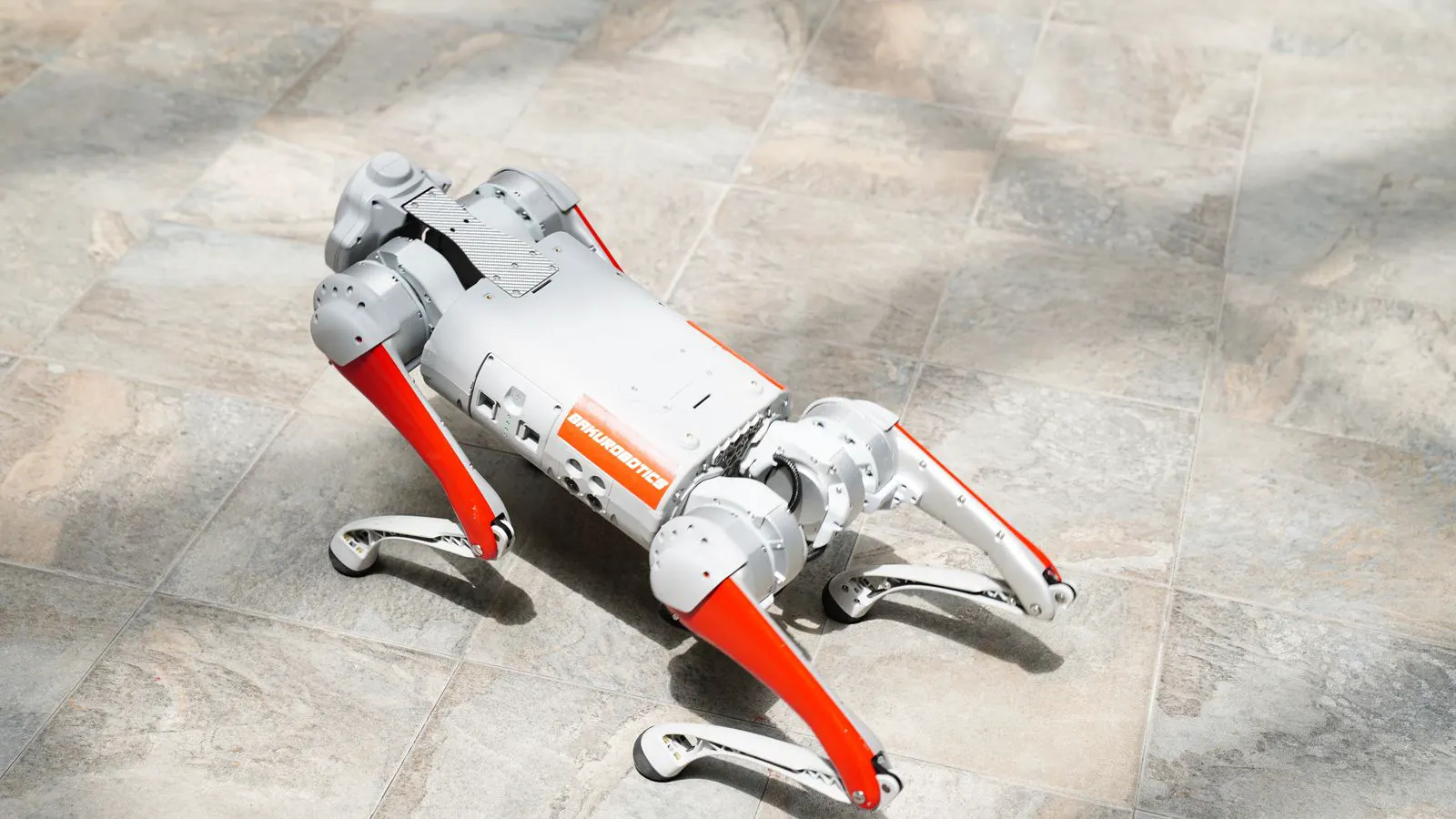
High ratio reducers are moving into smaller envelopes for robotics. Buyers should plan for compact gearboxes, better integration, and improved thermal management. This guide outlines five market shifts to watch.
- Planetary and worm gearboxes are shrinking to fit denser robotic arms and mobile platforms.
- Thermal design and oil management are becoming as important as the gear set itself.
- Backdriving characteristics must be matched to the specific motion profile of the robot.
- Integration is pushing suppliers to offer pre-assembled motor and controller bundles.
- Buyers need to verify mounting tolerances and connection standards before finalizing designs.
Modern robotic systems demand more torque in less space. The gearbox sits between the motor and the joint, and every millimeter counts. Gearbox manufacturers are responding to this pressure by refining planetary and worm gear designs. The result is a shift toward high ratio reducers that are lighter, quieter, and easier to install.
This change matters for buyers. A compact drive system changes how the whole robot is built. It can allow shorter cable routes, simpler frame structures, and faster assembly. The market is moving away from bulky external motors and toward integrated power trains.
Why Compactness Drives the Market
Robotics is moving into tighter spaces. Collaborative arms, mobile manipulators, and industrial pickers all compete for the same limited volume. A standard planetary gearbox may have worked for a fixed machine, but it does not fit a lightweight robot arm.
The shift is toward smaller housing diameters and shorter face widths. Manufacturers are using tighter gear tooth profiles and stronger materials to handle high torque in small packages. Worm gearboxes also benefit here. A single-stage worm can provide a high reduction ratio with a very small footprint.
Buyers should look at the total package. The gearbox is not isolated. It sits next to sensors, wiring, and structural components. A slightly larger gearbox that allows better cable routing or easier maintenance may be the better choice.
The market trend is clear. Density is the primary metric. A high ratio reducer that fits the envelope and meets the thermal limits is preferred over one with a higher rated torque that does not fit.
Thermal Management in High Ratio Drives
High torque in a small space creates heat. This is the main engineering challenge. When a planetary or worm gearbox runs at high reduction ratios, the internal friction and gear meshing generate significant thermal load.
Older designs relied on conduction to the motor or the frame. Modern designs use dedicated cooling paths. Some gearboxes include oil reservoirs that circulate through the gear set. Others use heat sinks integrated into the housing.
Worm gearboxes are particularly sensitive to heat. The sliding contact between the worm and the wheel creates high friction. If the oil temperature rises too high, the viscosity drops and the lubrication film thins. This can lead to wear and failure.
Planetary gearboxes have less sliding contact, but the high torque still generates heat. The gear teeth and bearings must be designed to handle the thermal expansion.
Buyers should ask about thermal derating curves. A gearbox that is rated for a certain torque at a specific temperature may need to be derated if it operates in a hot environment. Checking the thermal limits is as important as checking the torque rating.
Backdriving and Locking Ability in Robotics
Not all robotic tasks require the same behavior when power is removed. Some joints need to hold position without power. Others need to allow free movement for safety or manual adjustment.
Planetary gearboxes are generally backdrivable. If you turn the output shaft, you can move the motor shaft with a certain amount of force. This is useful for joints that need to be moved by hand or for safety mechanisms.
Worm gearboxes are often self-locking. A single-start worm typically prevents the output from driving the input. This means the joint holds its position when power is off. This is ideal for holding heavy loads or for applications where uncontrolled movement is dangerous.
The choice between planetary and worm depends on the robot’s duty cycle. A collaborative arm that needs to be moved by hand during maintenance may use planetary gearboxes. A robotic arm that holds a heavy tool in a fixed position may use worm gearboxes for locking ability.
Buyers must define this requirement early. Changing the gearbox type later can require re-designing the joint, the frame, and the control software.
Integration with Motors and Controls
The gearbox is no longer a standalone component. Modern robotic systems prefer integrated power trains. The motor, gearbox, and sometimes the encoder are assembled as a single unit by the supplier.
This integration reduces assembly time and improves alignment. Misalignment between a separate motor and gearbox can cause vibration and noise. A pre-assembled unit eliminates this issue.
The trend is toward compact motor and gearbox combinations. The motor is sized to match the gearbox housing. The connection is often a direct coupling or a short, stiff shaft. This reduces the overall length of the drive train.
Control integration is also changing. Some robotic systems use servo drives that communicate directly with the gearbox encoder. This allows for more precise position control. The gearbox encoder may be integrated into the output shaft or mounted on the input shaft.
Buyers should ask about the control interface. Does the gearbox come with an encoder? What type of signal does it output? Is it compatible with the robot controller?
The market is moving toward “smart” gearboxes. These units include monitoring sensors that track temperature, vibration, and load. This data can be used to predict failures and schedule maintenance.
Material and Manufacturing Advances
The push for compactness is driving material and manufacturing changes. Gear teeth are being made from higher grade alloys. These materials can handle higher contact stress in smaller tooth profiles.
Surface treatments are also improving. Hardening and case hardening processes increase the surface strength of the gears. This reduces wear and extends the life of the gearbox.
For worm gearboxes, the worm and wheel materials are critical. The worm is often made from a hardened steel, while the wheel is made from a bronze or aluminum alloy. The choice of materials affects efficiency and noise.
Manufacturing precision is increasing. CNC machining allows for tighter tolerances on gear teeth and housing bores. This improves the quality of the gear mesh and reduces backlash.
Buyers should look for manufacturers who invest in process control. Consistent quality is as important as the design. A gearbox that is well designed but poorly manufactured will not perform as expected.
How to Prepare for These Trends
The market is shifting toward denser, smarter, and more integrated gear solutions. Buyers need to adapt their planning process to match these changes.
- Define the envelope first. Measure the available space in the robot joint. This is the starting point for any gearbox selection.
- Check the thermal profile. Simulate the duty cycle and calculate the heat generated. Choose a gearbox with adequate cooling.
- Decide on backdriving. Determine if the joint needs to be movable by hand or if it needs to hold position without power.
- Evaluate integration. Look for suppliers who offer motor and gearbox combinations. This can simplify the design and assembly.
- Verify mounting and connection standards. Ensure the gearbox flange and shaft match the robot frame and drive components.
These steps will help you select the right high ratio reducer for your application. The goal is to choose a gearbox that fits the space, handles the heat, and meets the functional requirements.
The future of robotic gearboxes is compact and integrated. The market is moving in that direction, and buyers who plan for these changes will be better positioned to build reliable and efficient robotic systems.
Planetary vs Worm in High Ratio Applications
The choice between planetary and worm gearboxes for high reduction applications depends on the specific needs of the robot.
| Feature | Planetary Gearbox | Worm Gearbox |
|---|---|---|
| Reduction Ratio | 10:1 to 100:1 typical | 10:1 to 200:1 typical |
| Backdriving | Usually backdrivable | Often self-locking |
| Efficiency | Higher, typically 90-97% | Lower, typically 70-85% |
| Heat Generation | Moderate | Higher due to sliding contact |
| Space Requirement | Compact, radial size | Compact, axial size |
| Noise Level | Low | Moderate to High |
| Maintenance | Regular oil changes | Regular oil changes, check temperature |
Planetary gearboxes are preferred when efficiency and smooth motion are important. They are good for high-speed applications and joints that need to be moved by hand.
Worm gearboxes are preferred when locking ability and space are the primary concerns. They are good for holding heavy loads and for applications where uncontrolled movement is a risk.
The choice is not always black and white. Some robotic systems use planetary gearboxes for the high-speed joints and worm gearboxes for the high-torque joints. This hybrid approach can optimize performance across the robot.
Buyers should evaluate both options against the specific requirements of their application. The best choice is the one that meets the functional, thermal, and space constraints of the robot.
Noise and Vibration Considerations
Noise and vibration are critical in robotic applications. A noisy gearbox can be distracting in a factory floor and can indicate a problem with the gear mesh or bearings.
Planetary gearboxes are generally quieter than worm gearboxes. The rolling contact of the planet gears reduces friction and vibration. However, high reduction ratios can still cause some noise, especially if the gear teeth are not properly aligned.
Worm gearboxes produce more noise due to the sliding contact between the worm and the wheel. This noise is often a high-frequency whine. It can be mitigated by using a helical worm and a helical wheel, which increases the contact area and reduces the noise.
Buyers should listen to the gearbox during testing. Any unusual noise or vibration should be investigated. It may indicate a problem with the gear mesh, the bearings, or the mounting.
Noise and vibration also affect the life of the gearbox. Excessive vibration can loosen mounting bolts and cause wear on the gear teeth. Proper mounting and alignment are essential to minimize vibration.
Final Thoughts
The market for high ratio reducers in robotics is moving toward compact, integrated, and thermally managed solutions. Planetary and worm gearboxes are both playing key roles in this shift.
Buyers need to plan for these changes. They should define the space, check the thermal profile, decide on backdriving, evaluate integration, and verify mounting standards.
By following these steps, buyers can select the right gearbox for their robotic application. The goal is to build a reliable and efficient robot that meets the demands of modern automation.
Frequently asked questions
What is the main advantage of a worm gearbox in robotics?
Worm gearboxes often provide self-locking ability, which allows the joint to hold its position without power. This is useful for holding heavy loads or for safety.
Why is thermal management important for high ratio reducers?
High torque in a small space generates heat. If the heat is not managed, the oil viscosity drops and the lubrication film thins, leading to wear and failure.
Can a planetary gearbox be self-locking?
Standard planetary gearboxes are backdrivable. To achieve self-locking, a separate brake or a special mechanical feature must be added to the output shaft.
How does integration affect the selection of a gearbox?
Integration allows the motor and gearbox to be assembled as a single unit. This reduces assembly time, improves alignment, and simplifies the design.
What should buyers check before selecting a high ratio reducer?
Buyers should check the available space, the thermal profile, the backdriving requirements, and the mounting and connection standards. These factors determine the right gearbox for the application.