Outlook: Integration of Planetary Drives in Robotics
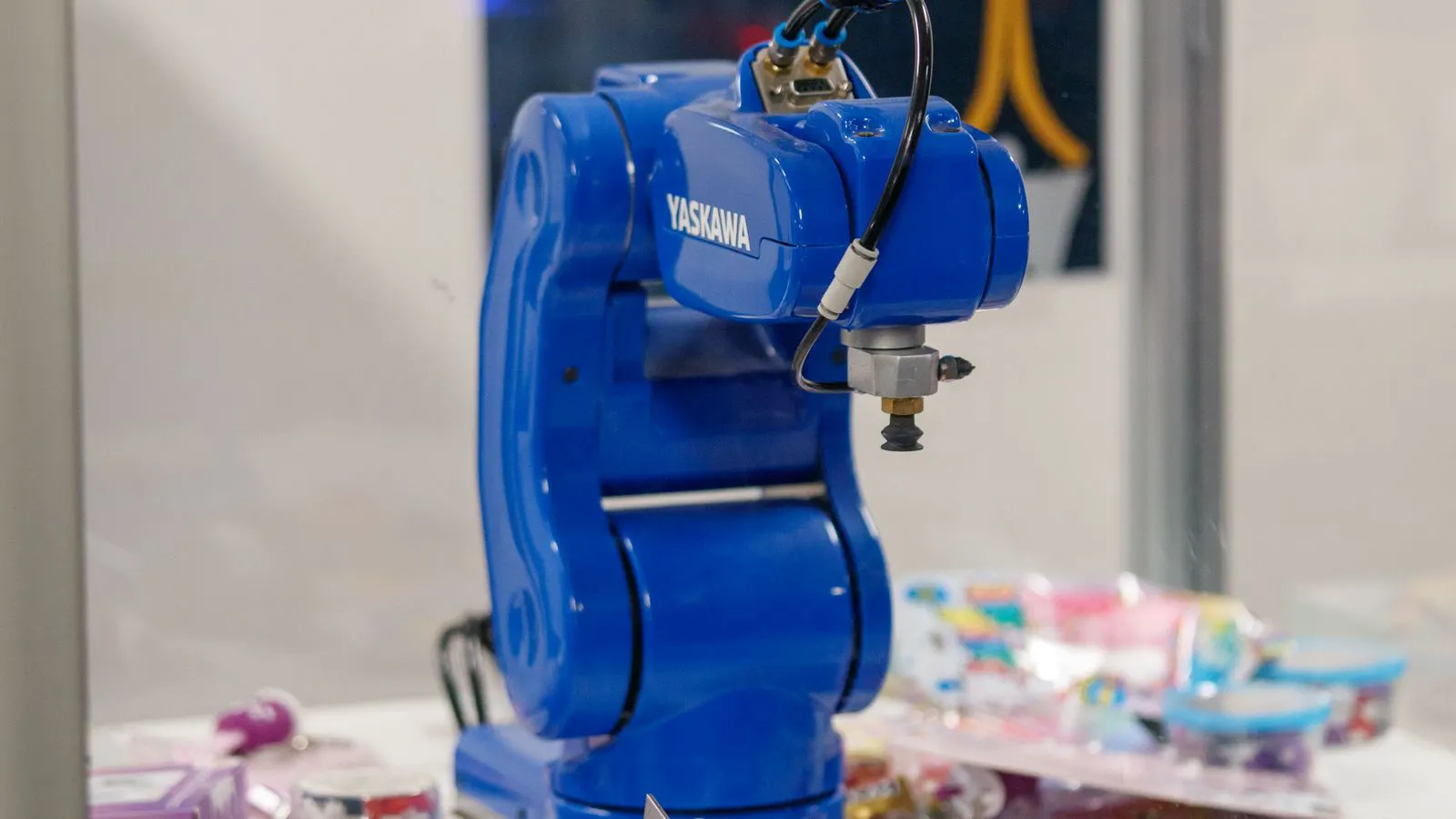
Robotic planetary drives are shifting toward higher precision, lighter housings, and better thermal management. This guide outlines five practical changes to expect in robotic gearboxes and explains how buyers should adjust specifications and supplier requirements.
- Planetary gearboxes for robotics are moving toward higher precision and tighter tolerances to support faster, more accurate motion control.
- Material and housing design are shifting toward lighter, stronger alloys to reduce inertia on moving joints.
- Thermal management is becoming a core design feature, not just an afterthought, as duty cycles increase.
- Buyers should expect more integrated monitoring and data logging in high-end robotic gearboxes.
- Supplier selection should focus on long-term design intent, not just initial unit cost, as application complexity grows.
Robotic applications are pushing planetary gear technology beyond its traditional role in heavy industrial drives. The same planetary arrangement that powers conveyor systems and press drives now supports collaborative robots, palletizers, and high-speed pick-and-place machines. The difference is in the demands. Robots need high repeatability, low backlash, and predictable torque delivery across rapid changes in direction.
This section outlines the shifts buyers should plan for in robotic planetary drives. It focuses on practical changes in design, materials, and service requirements. The goal is to help engineering and procurement teams adjust their specifications and supplier conversations as these systems mature.
How precision requirements are changing joint design
The most visible shift is the tightening of geometric tolerances. Early industrial planetary reducers often accepted backlash in the millimeter range for steady-state loads. Robotics demands a different profile. Backlash must be low enough that position error does not accumulate over repeated cycles. This drives changes in tooth profile, bearing selection, and assembly alignment.
Buyers should expect suppliers to offer tighter backlash classes for robotic applications. These classes often come with higher cost and longer lead times. The trade-off is not just about accuracy. It is about repeatability. A gear train that holds position within a few microns and stays there over thousands of cycles is a different engineering problem than one that handles a steady torque load.
When specifying robotic planetary drives, define your position tolerance requirement clearly. Do not assume standard industrial classes meet robot joint needs. Ask for measured backlash data, not just nominal values. Also request data on how backlash behaves under thermal cycling. Heat expansion can change clearances and alter the effective backlash during operation.
Material selection is moving toward lightweight strength
Robot joints are moving platforms. Every gram of added mass increases the inertia the motor must accelerate. This is a direct performance and cost issue. A heavier gearbox means a larger motor, a heavier arm, and higher energy use per cycle.
As a result, housing and shaft materials are shifting. Traditional cast iron housings are being replaced or supplemented by aluminum alloys in many mid-range robotic gearboxes. Aluminum is lighter than cast iron and offers good stiffness for many joint applications. For higher torque or more demanding cycles, suppliers are using forged or heat-treated steel components where needed.
The selection depends on the duty cycle. A collaborative robot that operates at low speed and light loads may use an aluminum housing to keep weight down. A palletizer that handles heavy payloads at high speed may need steel shafts and stronger housing sections, even if some parts remain aluminum.
When evaluating a robotic gearbox, ask about the material breakdown by component. Not just the housing, but the sun gear, ring gear, and pinions. The pinions see high contact stress. Material choice there affects life and noise. Also ask about surface treatment. Hardening or coating of gear teeth can extend life and reduce wear in high-cycle applications.
Thermal management is becoming a design input
Planetary gearboxes in robotics operate in tight spaces. Airflow is often restricted. The gear train, bearings, and motor all generate heat. In a stationary industrial drive, heat can dissipate through a larger housing and ambient air. In a robot joint, heat builds up quickly if not managed.
Overheating is not just a comfort issue. It affects gear life, lubricant viscosity, and bearing preload. Lubricant that thickens or breaks down changes friction. Bearings that lose proper clearance can lock up. The result is accelerated wear and potential failure during production.
Suppliers are responding with better thermal design. This includes optimized lubricant selection, improved bearing arrangements, and housing geometry that allows heat to escape. Some designs use fins or channels. Others rely on the motor itself to assist cooling. Buyers should expect thermal data to be part of the standard specification.
When reviewing a robotic planetary drive, request the thermal profile under your expected duty cycle. Ask for the maximum operating temperature at the gear interface and at the bearings. Also ask about the lubricant type and its temperature limits. A gearbox that runs cool under a light load may overheat under a continuous high-speed cycle.
Integrated monitoring is moving from optional to expected
High-end robotic gearboxes are becoming more than mechanical parts. They are starting to include sensors and data interfaces. This is not yet universal, but it is becoming common in premium lines. The sensors typically monitor temperature, vibration, or rotation. Some systems log operating hours and torque values.
The reason is maintenance planning. Robots operate in tight schedules. A gear failure can halt a production line. Predictive maintenance reduces unplanned downtime. By logging temperature and vibration, the system can flag a bearing issue or lubricant degradation before it becomes a failure.
For buyers, this changes the purchasing model. You are not just buying a gearbox. You are buying a data source. The data can feed into your maintenance software. It can help you plan lubrication intervals or bearing replacements based on actual use, not a fixed calendar.
When evaluating suppliers, ask what data is available. Is it a simple temperature sensor with a switch output, or a digital interface that logs multiple parameters? What format is the data in? Can it integrate with your existing maintenance system? Also ask about the cost of the monitored version versus the standard version. The price difference is usually small compared to the cost of a production stop.
Service intervals are shifting to condition-based
Traditional gear service was often based on time or operating hours. Change the oil every six months. Replace bearings every two years. This works for many industrial drives. It is less efficient for robotic applications.
Robotic duty cycles vary. A joint that operates at high speed for ten minutes a cycle will wear differently from one that moves slowly over a longer path. Temperature spikes may occur during peak production. A fixed service interval may be too short or too long.
Condition-based service uses sensor data to adjust maintenance. If the temperature stays low and vibration is stable, the lubricant may last longer than the standard interval. If the bearing temperature rises, the service may need to happen sooner. This approach requires good data and a clear decision process.
Buyers should plan for this shift. Your maintenance team may need training on interpreting sensor data. Your software may need to handle variable service intervals. Ask your supplier for guidance on condition-based thresholds. What temperature rise indicates lubricant degradation? What vibration pattern suggests bearing wear? Having these thresholds defined in advance makes the transition smoother.
How to prepare your specifications and supplier list
The changes in robotic planetary drives are not dramatic in a single year. They are a steady shift in design intent. Buyers who prepare now can avoid costly re-engineering later.
Start by reviewing your current specifications. Do they define backlash, temperature, and material requirements clearly? If not, add them. Do not leave these to the supplier to decide. A clear specification reduces ambiguity and helps you compare options.
Next, update your supplier evaluation process. Do not base selection only on unit price. Ask about design intent. How do they handle thermal management? What materials do they use for high-stress components? Do they offer monitoring options? A supplier that designs for robotics will have a different approach than one that sells the same gearbox across multiple industries.
Finally, build in time for integration testing. A robotic gearbox that performs well in a static test may behave differently in the joint. Vibration, heat, and load direction all interact. Test the integrated system under realistic duty cycles. Measure temperature and vibration. Compare the data to the supplier specifications. This catches issues before they reach production.
The direction is clear. Robotic planetary drives are becoming more precise, lighter, and smarter. The technology is maturing, and the requirements are getting more specific. Buyers who plan for these shifts will have better options and lower risk.
| Feature | Traditional Industrial Drive | Robotic Joint Application |
|---|---|---|
| Backlash Tolerance | Millimeter range typical | Sub-millimeter or lower required |
| Housing Material | Cast iron common | Aluminum or light alloys preferred |
| Thermal Design | Passive cooling | Active or optimized passive cooling |
| Monitoring | Rare or basic | Integrated sensors expected |
| Service Model | Time-based | Condition-based preferred |
- Review your current application specifications for backlash, temperature, and material requirements.
- Update supplier evaluation criteria to include design intent and monitoring capability.
- Plan for integration testing under realistic duty cycles.
- Train your maintenance team on condition-based service interpretation.
- Build in time for data integration if selecting monitored gearboxes.
Frequently asked questions
What is the main difference between a robotic planetary drive and a standard industrial planetary gearbox?
Robotic drives require tighter backlash, lower weight, and better thermal management. They are designed for high repeatability and rapid direction changes, not just steady-state torque.
How much lighter can a robotic planetary gearbox be compared to a standard one?
It depends on the design and materials. Aluminum housings can reduce weight by a significant portion compared to cast iron. The exact reduction varies by size and torque rating.
Do all robotic gearboxes include monitoring sensors?
No. Monitoring is common in premium and high-end lines, but not universal. Entry-level robotic gearboxes may not include sensors. Check the specification before assuming data is available.
How should I define thermal requirements in a purchase specification?
Specify the maximum operating temperature at the gear interface and bearings under your expected duty cycle. Also define the lubricant type and its temperature limits. Ask the supplier to confirm these values.
Is condition-based service ready for widespread use in robotics?
It is becoming more common, but it is not standard yet. It requires good sensor data and a clear process for interpreting the data. It is practical for high-value robots where downtime cost is high. ===END===