Choosing a Certified Gearbox Supplier: Buyers Guide

This guide helps you evaluate a gearbox supplier by balancing certification, technical support, and cost. It provides specific criteria and a checklist to ensure you select a vendor that meets your operational needs.
- Verify certifications against specific regional requirements rather than relying on generic labels.
- Request sample test reports to validate the supplier's claim of consistent quality control.
- Evaluate after-sales service logistics, including spare parts lead times and response protocols.
- Use a structured scoring matrix to compare multiple vendors on objective technical and commercial factors.
- Conduct on-site audits to observe manufacturing processes and quality management systems directly.
Understanding Certification Standards
Certification is the first line of defense against substandard components. A supplier claiming to sell certified gearboxes must prove that their products meet specific mechanical, electrical, and safety standards. You need to distinguish between manufacturer certifications and third-party verification.
A supplier may claim ISO certification for their quality management system. This indicates their internal processes are standardized, but it does not automatically prove every unit meets a specific performance standard. For industrial applications, you need product-specific conformity.
Look for CE marking if the unit enters the European market. This demonstrates compliance with EU directives. For other regions, look for UL or CSA listings. These marks indicate the product passed independent safety testing.
Do not rely on a certificate displayed on a website. Request a copy of the certificate and the scope of the test. Verify the issuing body on their official website. A valid certificate lists the exact product model, serial numbers, or batch range. If the certificate is vague or expired, the supplier is not providing the level of assurance you need.
When you request documentation, check the date of issuance. A certificate issued two years ago may still be valid, but you must confirm that the issuing body has not revoked the license. The certificate number should match the one listed on the product nameplate. Mismatches suggest the unit may have been manufactured under a different quality protocol.
Pay attention to the language used in the certificate scope. Some documents state that the facility is certified, while others state that the specific product line is certified. Facility certification is a baseline. Product certification is the proof you need for procurement. If a supplier cannot provide a product-specific test report, assume the unit has not been independently verified for its intended duty cycle.
For safety-critical applications, look for functional safety standards. These standards verify that the gearbox will stop the motor if the safety circuit is triggered. This is different from general mechanical integrity. A gearbox can be mechanically sound and still fail a functional safety test if the emergency stop relay is faulty. Ask the supplier for the specific standard number and the test report that confirms the safety function operates within the required time frame.
Technical Evaluation and Application Matching
A certified gearbox is only useful if it matches your application parameters. A supplier who sells certified gearboxes without asking about your load profile is likely to fail you.
Start with your torque, speed, and power requirements. A gearbox rated for continuous duty may fail under intermittent shock loads. Specify the service factor. A higher service factor adds cost but provides a margin for unexpected overloads.
Ask the supplier for a load calculation sheet. They should show how they derived the torque and speed ratings for your specific application. If they provide a generic catalog spec without calculation, their engineering support is weak.
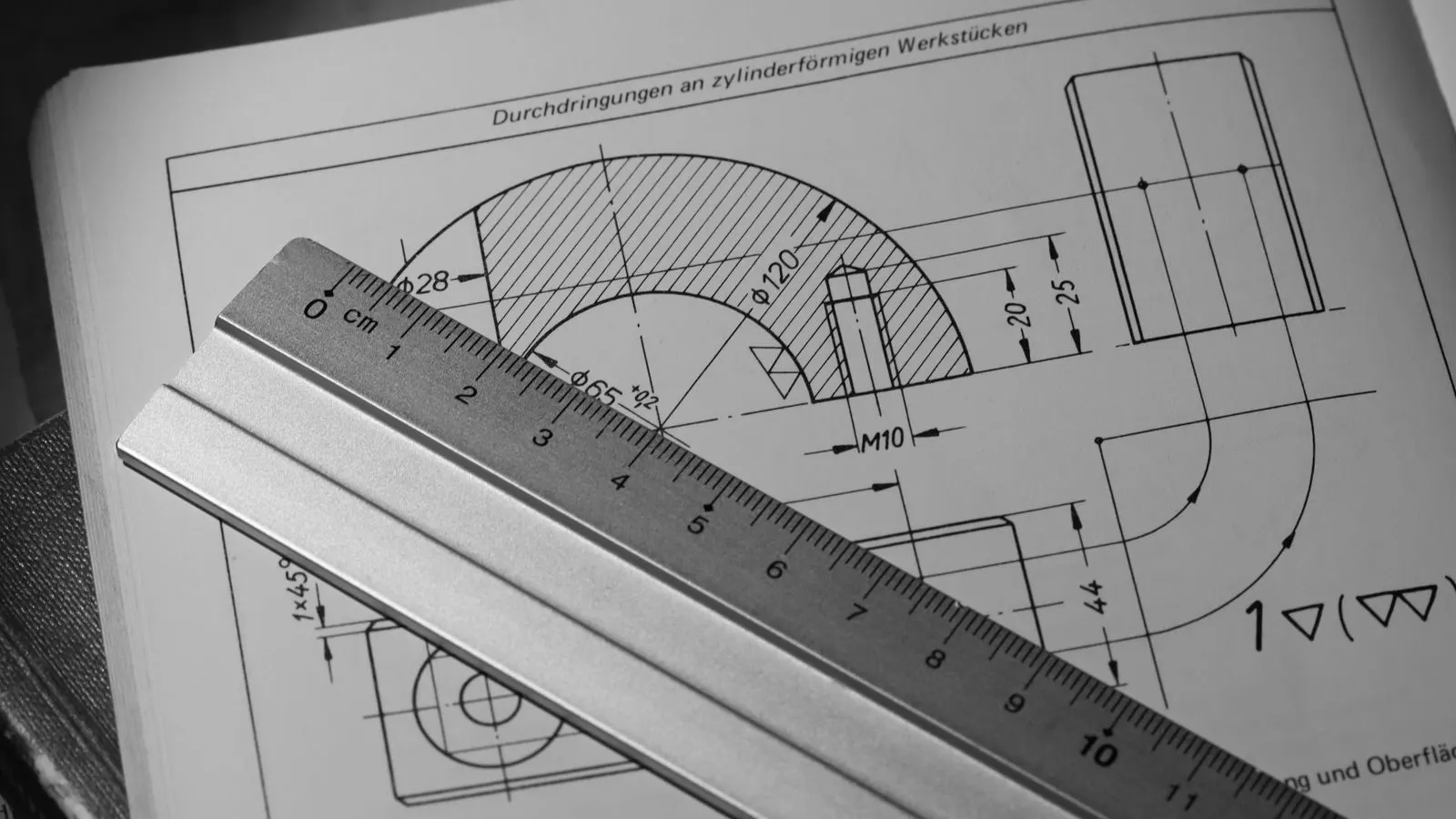
Check the mounting interface. Flange, foot, or shaft-mounted units have different structural demands. A mismatch here causes alignment issues and premature bearing failure. Request the technical drawing with the mounting hole pattern and shaft dimensions.
Evaluate the lubrication system. Some gearboxes use sealed-for-life grease, while others use oil baths or external lubrication. The choice depends on your environment and maintenance cycle. A supplier should recommend the lubrication method based on your operating temperature and dust exposure.
A torque rating alone is insufficient. You must define the peak torque and the frequency of that peak. A motor that draws 100 N·m continuously is different from one that spikes to 500 N·m for ten seconds every minute. The latter requires a higher service factor or a different gear ratio design. If your application involves a conveyor with a heavy start-up load, the torque rating must account for the inertia of the load, not just the static weight.
Speed requirements dictate the internal geometry. High-speed applications require tighter tolerances on the gear teeth to reduce noise and vibration. Low-speed, high-torque applications prioritize the strength of the pinion and ring gear. A standard catalog gearbox often balances these two, but custom applications may need a deviation from the standard range.
Alignment tolerance is a critical part of the technical match. If your output shaft is off-center by even a small margin, the bearing loads increase. This leads to heat build-up and grease expulsion. Specify the allowable misalignment in your request for proposal. If the supplier does not ask, clarify the requirement. A good engineer will ask about the coupling type. A rigid coupling demands precision alignment. A flexible coupling allows for some angular deviation but transmits shock loads.
The power factor of the input motor also matters. If the motor is overloaded, the gearbox will fail even if it is rated for the torque. Ensure your torque calculation includes a margin for motor inefficiency. Do not simply divide the motor nameplate torque by the gearbox ratio. Use the actual operating torque at the point of use, including friction and acceleration losses.
Supplier Quality Control Processes
Certification covers the final product. Quality control covers the manufacturing process. You need to understand how the supplier ensures every unit leaves the factory in the same condition.
Ask about the testing stages. A reliable supplier performs incoming inspection of raw materials. They check gear tooth profiles and bearing tolerances. They also run final assembly tests.
Request the test report format. It should include torque output, efficiency percentage, noise levels, and vibration measurements. These numbers are your baseline for warranty claims. Without them, you have no objective proof of performance.
Inquire about the inspection ratio. Do they 100% test every unit, or only a sample? For critical applications, 100% final assembly testing is the standard. A sample-based approach reduces cost but increases the risk of defective units reaching you.
Look for traceability. Every gearbox should have a unique serial number linked to a production record. This record should list the material batch, heat treat lot, and inspector name. If the supplier cannot provide a full traceability file, their quality system is incomplete.
Incoming inspection is the first gate. The supplier must verify the hardness of the gear blanks. If the heat treat process was inconsistent, the teeth will wear quickly. Ask if they measure the hardness of the surface layer and the core. A surface-hardened gear needs a specific depth of hardness. If the depth is too shallow, the tooth root will shear under load.
The gear tooth profile check is a second gate. They use a profile projector or a CMM to measure the shape of the teeth. Deviations here cause noise and uneven load distribution. Ask for the tolerance class. A tight tolerance class reduces noise but increases manufacturing cost. For quiet applications, such as food processing or medical equipment, tighter tolerances are required.
Final assembly testing is the third gate. The unit must be run under load. A reliable supplier will run the unit for a set duration, often 30 to 60 minutes, while monitoring temperature and noise. They will record the output torque and compare it to the rated value. If the unit is noisy, they will disassemble it to find the cause. A loose bearing or a misaligned shaft will show up here.
The test report is a legal document. It serves as proof of performance. If you store this report, you can reference it when a failure occurs. If the failure mode matches the test data, the warranty claim is stronger. If the test data is missing, the supplier can argue that the failure was due to misuse.
After-Sales Service and Support
A gearbox is a long-term asset. The supplier relationship does not end at delivery. You need a partner who can handle failures and provide upgrades.
Evaluate their technical support channel. Do they have engineers who understand your industry, or only sales representatives? Ask for a direct contact for technical questions. Response time matters. A supplier who answers within hours is better than one who takes days.
Check the spare parts inventory. Ask for the lead time on common wear parts like seals, bearings, and coupling discs. A supplier who holds local stock of critical parts reduces downtime. If they ship from a distant warehouse, calculate the total cost of a shutdown.
Review the warranty terms. A standard gearbox warranty often covers defects in materials and workmanship. It usually excludes damage from misalignment, overloading, or improper maintenance. Read the exclusions carefully.
Ask about their service network. Do they have technicians in your region? If a unit fails, will they send a local repair crew or require you to ship the unit back? The logistics of repair can outweigh the initial purchase price.
Technical support is not just about troubleshooting. It is about preventing problems. A good support team will review your application design before you install the unit. They will flag potential issues, such as insufficient lubrication clearance or excessive thermal load. This proactive approach saves money later.
Spare parts availability is a key metric. Ask for a list of the most common failure points for your specific model. Seals, bearings, and output shafts are typical. Ask for the stock level and the shipping time. If the lead time is longer than your allowable downtime, you must keep those parts on hand.
Warranty claims can be slow. A standard warranty may cover the cost of the unit, but not the labor to remove it. Read the terms to see if they cover removal and reinstallation. Some suppliers cover the part but not the labor. Others cover both. This distinction can make a significant difference in the cost of a repair.
Cost Analysis and Total Value
Price is a factor, but it is rarely the only one. A low-cost certified gearbox may fail earlier, causing higher replacement and repair costs.
Calculate the total cost of ownership. This includes the purchase price, installation labor, lubrication, maintenance, and potential downtime. A slightly more expensive unit with a longer service interval may save money over five years.
Negotiate the payment terms. Some suppliers require full prepayment. Others offer net terms or partial payment on delivery. Match the terms to your cash flow and risk tolerance.
Ask about volume discounts. If you order multiple units, the price per unit usually drops. However, ensure the discount does not come with reduced service levels.
Compare the cost of failure. A single gearbox failure can stop a production line. The cost of downtime can be thousands of dollars per hour. Weigh this risk against the premium for a higher-rated supplier.
The total cost of ownership is a long-term metric. A low initial price may be offset by frequent maintenance. A high initial price may be offset by low maintenance. Calculate the cost per year of operation. Include the cost of labor for lubrication, inspection, and replacement of wear parts.
Payment terms affect your cash flow. A supplier who requires 100% upfront payment shifts the financial risk to you. If the unit fails, you have no use. A net-30 or net-60 term gives you time to verify performance. If the unit works, you pay. If it fails, you can negotiate a replacement before paying in full.
Volume discounts are common. If you order ten units, the price per unit may drop by 5 to 10 percent. However, check if the discount applies to the base price or the total invoice. Sometimes the discount is applied only to the base price, excluding accessories and installation.
The cost of failure is often underestimated. If a gearbox failure stops a line for two hours, and the line produces $5,000 per hour, the loss is $10,000. If the repair takes three days, the loss is $30,000. A premium of $5,000 for a better-rated unit may be justified if it reduces the probability of failure.
On-Site Audits and Verification
For critical projects, a website and a brochure are not enough. Conduct an on-site audit to see the manufacturing environment.
Visit the assembly area. Look for cleanliness and organization. A disorganized shop floor often indicates poor quality control. Check the tooling and inspection equipment. Are the micrometers and CMMs calibrated? Look for calibration stickers.
Observe the testing station. Watch a unit being tested. See if they log the data automatically. A manual data entry process is prone to error.
Talk to the production floor staff. Ask them about the most common defects they find and how they fix them. Their answers reveal the reality of the quality system. A supplier who avoids these questions is hiding issues.
Check the warehouse. See how the gearboxes are stored. Are they protected from moisture and dust? Proper storage prevents rust and seal degradation before the unit even reaches you.
The assembly area reveals the discipline of the process. If parts are scattered on the floor, or if tools are left in the work area, the risk of contamination increases. A clean environment reduces the chance of foreign particles entering the gear housing. These particles cause abrasion and wear.
Inspection equipment must be calibrated. A micrometer that is out of tolerance by 0.1mm can lead to a gear that is too loose or too tight. Ask to see the calibration log. The log should show the date of the last calibration and the next due date. If the equipment is out of calibration, the measurements are invalid.
The testing station is where the unit is proven. Watch how the data is recorded. If they use a computer system that automatically logs the torque and noise data, the process is more reliable. If they use a clipboard and a pen, the data is subject to human error. A missing data point can hide a defect.
Talking to the floor staff is a direct test. Ask a technician about the most common defect they encounter. If they say “bearing failure,” ask how they diagnose it. If they say “gear tooth wear,” ask what causes it. Their answers show if they understand the root cause. If they give vague answers, their quality system is weak.
The warehouse is the final stage. The unit must be protected from the elements. If the warehouse is open to the sky or has poor ventilation, the gearboxes may rust. Rust on the shaft or housing causes corrosion and seal failure. Proper storage extends the shelf life of the unit.
Decision Checklist
Use this checklist to finalize your decision. Print it and score each supplier on a scale of one to five.
- Verification of certification scope and issuing body.
- Technical calculation sheet provided for the specific application.
- 100% final assembly testing policy confirmed.
- Traceability record available for every unit.
- Spare parts lead time is acceptable for your downtime risk.
- Technical support contact is an engineer, not just sales.
- Warranty exclusions are understood and acceptable.
- Total cost of ownership is lower than the lowest bid.
- On-site audit confirms quality control processes.
- Payment terms align with your financial policy.
Select the supplier who scores highest on technical and quality criteria. Do not let price override technical fit. A certified gearbox from the wrong supplier will fail your application.
Frequently asked questions
What is the difference between ISO and CE marking on a gearbox?
ISO certification usually refers to the manufacturer's quality management system. CE marking indicates the product meets specific EU safety and performance directives.
How do I verify if a supplier's certification is genuine?
Request a copy of the certificate and verify the certificate number on the issuing body's official website. Check the scope and expiration date.
What is a service factor and why does it matter?
A service factor is a multiplier that indicates how much overload a gearbox can handle. A higher factor protects against unexpected shock loads but increases cost.
Should I choose a supplier with a lower price or better after-sales support?
For critical production lines, after-sales support usually outweighs price. Downtime costs are often higher than the premium for a better service provider.
Do I need an on-site audit for every purchase?
You do not need an audit for small, low-risk purchases. For large orders or critical applications, an audit is recommended to verify quality control processes.