
Efficiency & Noise
Outlook: Future Noise Standards in Drives
Future gearbox noise standards will likely tighten limits and expand testing methods. Buyers should prepare by reviewing acoustic data, selecting quieter gear types, and
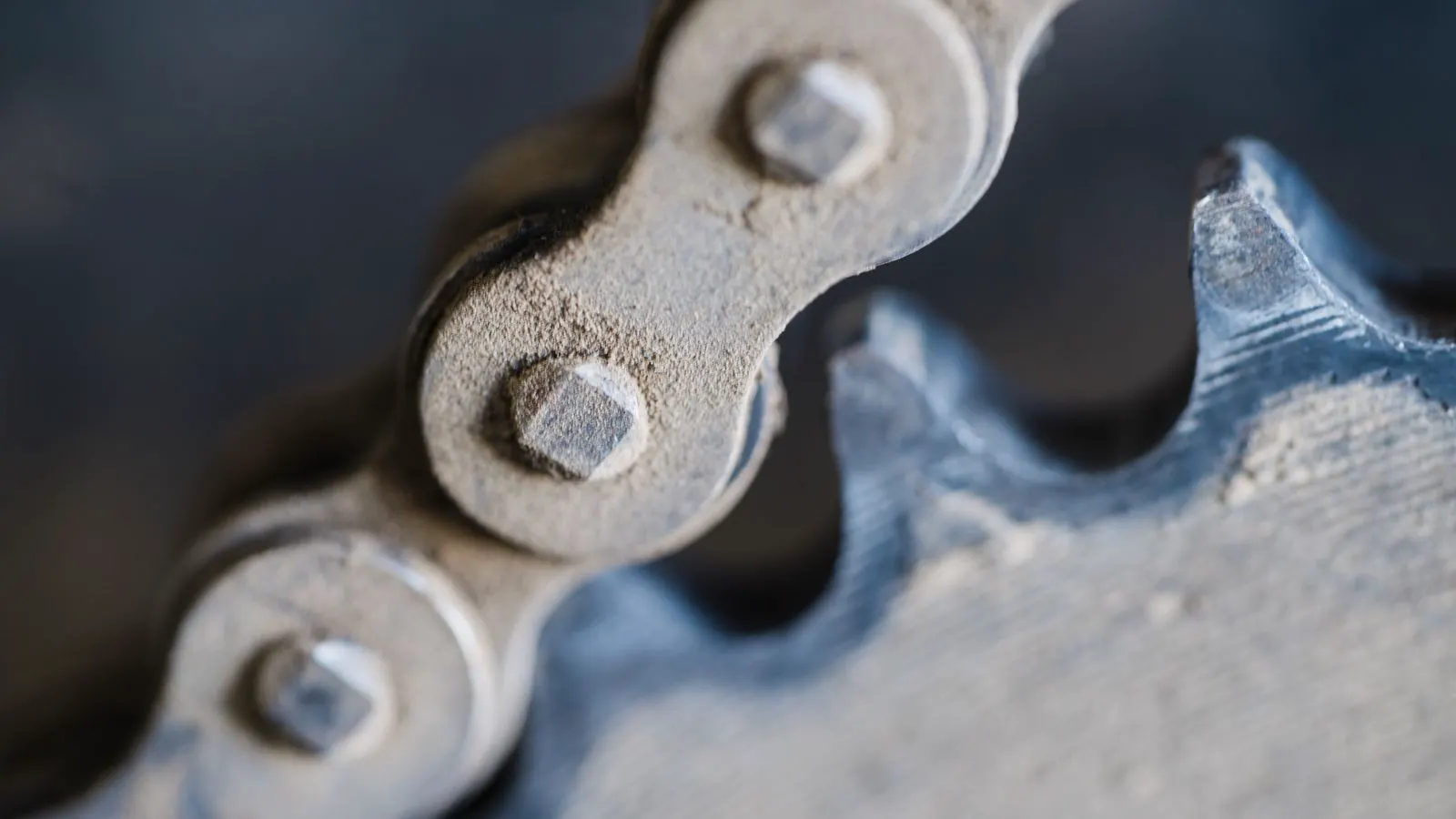
See how gear type, lubrication, and alignment affect energy losses, heat build-up, and operating noise in gearboxes.
Future gearbox noise standards will likely tighten limits and expand testing methods. Buyers should prepare by reviewing acoustic data, selecting quieter gear types, and

Quiet reducer selection requires evaluating gear design, housing materials, and acoustic specifications. Prioritize low-noise applications by checking sound pressure

High efficiency speed reducer cost is higher than standard units, but the premium pricing often pays back through reduced energy bills. This guide explains how to run a

To lower parallel shaft gearbox noise, check mounting and alignment first. Then address gear meshing noise through lubrication, bearing maintenance, and acoustic
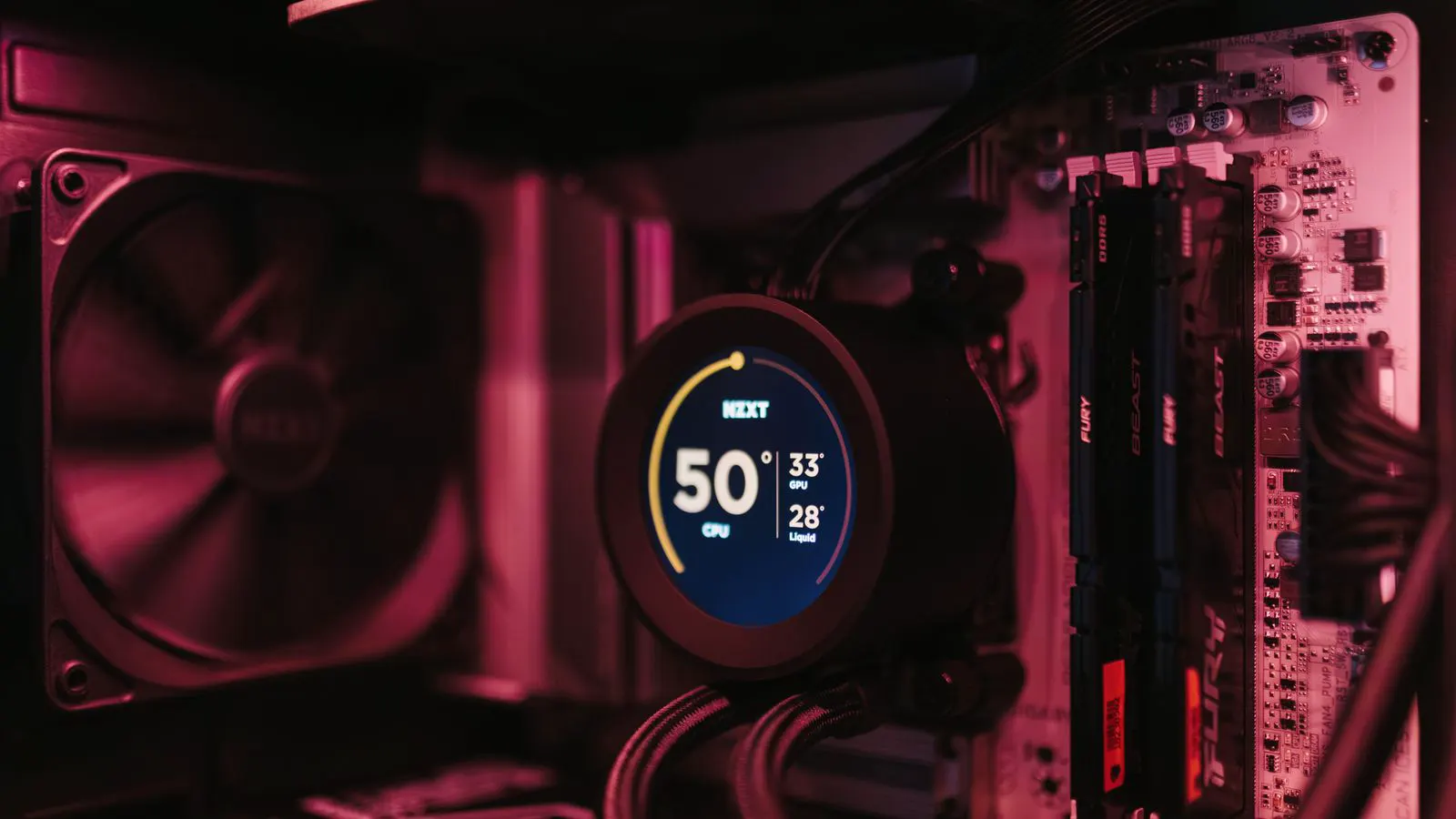
Excessive internal heat accelerates lubricant degradation, softens components, and expands clearances. Engineers must manage thermal limits by balancing heat generation
Buyers often rely on datasheet efficiency claims without checking the test conditions. This guide provides a systematic method to verify gearbox efficiency data. It

This guide explains how to interpret acoustic gearbox ratings, including sound pressure levels, frequency bands, and test conditions. It provides a criteria table and

Power loss reduction directly lowers energy bills for continuous duty machines. This guide explains how to calculate efficiency savings, compare vendor claims, and
Proper lubrication reduces gear noise by damping vibration, filling microscopic gaps between teeth, and protecting surfaces from metal-to-metal contact. This guide

This checklist provides a structured audit for evaluating gearbox efficiency during procurement. It covers torque matching, gear type selection, lubrication, mounting
Screw gearboxes offer low noise for high reduction ratios, while helical gearboxes deliver higher efficiency at moderate ratios. The choice depends on your priority
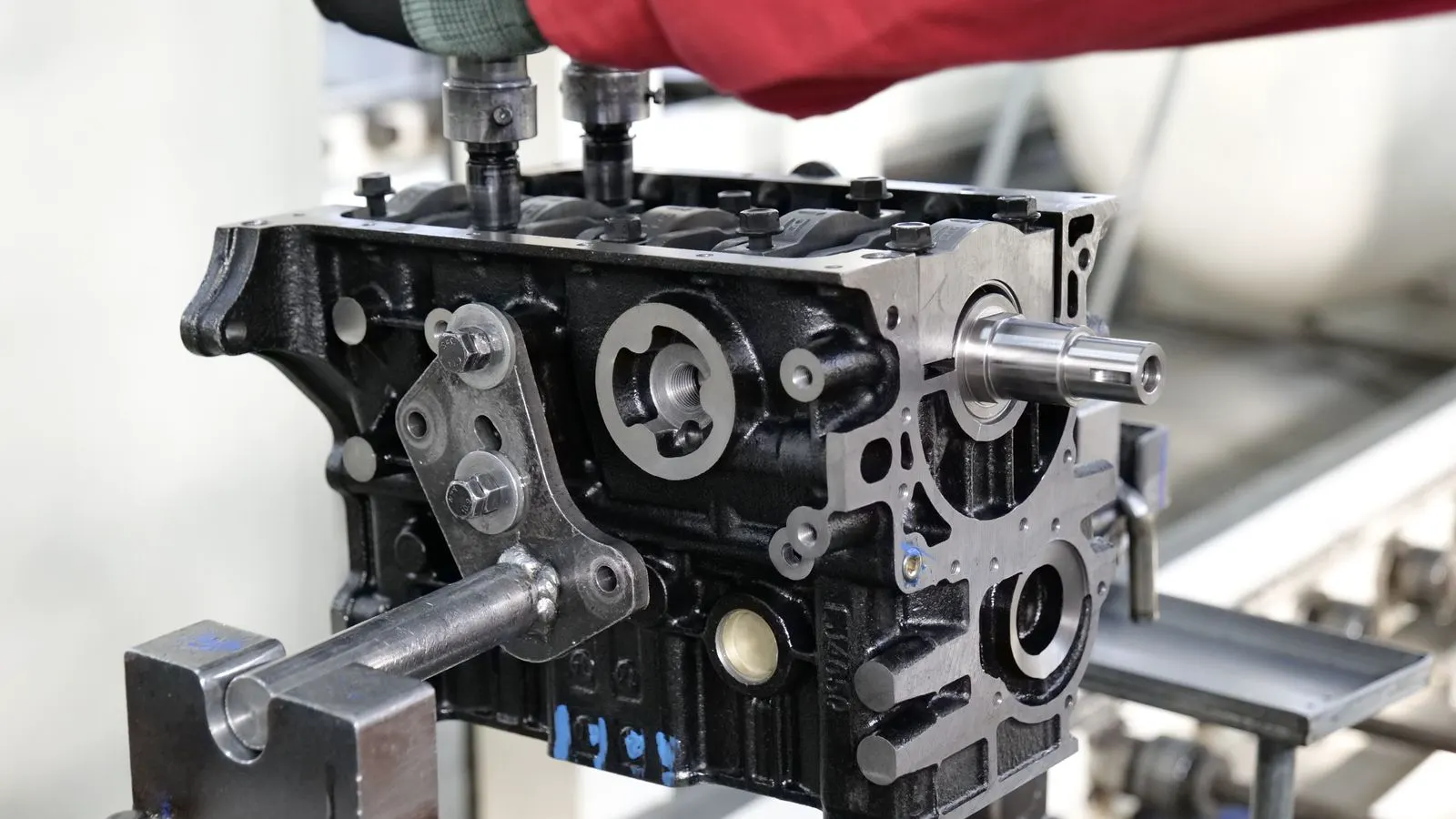
Spur gearboxes run noisier when tooth contact is uneven, shafts are out of alignment, or lubrication fails. This guide identifies common acoustic symptoms, links them to