
Lubrication & Maintenance
Oil vs Grease: Maintenance Interval Differences
Oil-filled gearboxes typically need more frequent oil level checks and periodic replacements than grease-filled units. Grease offers longer service life but has limits.
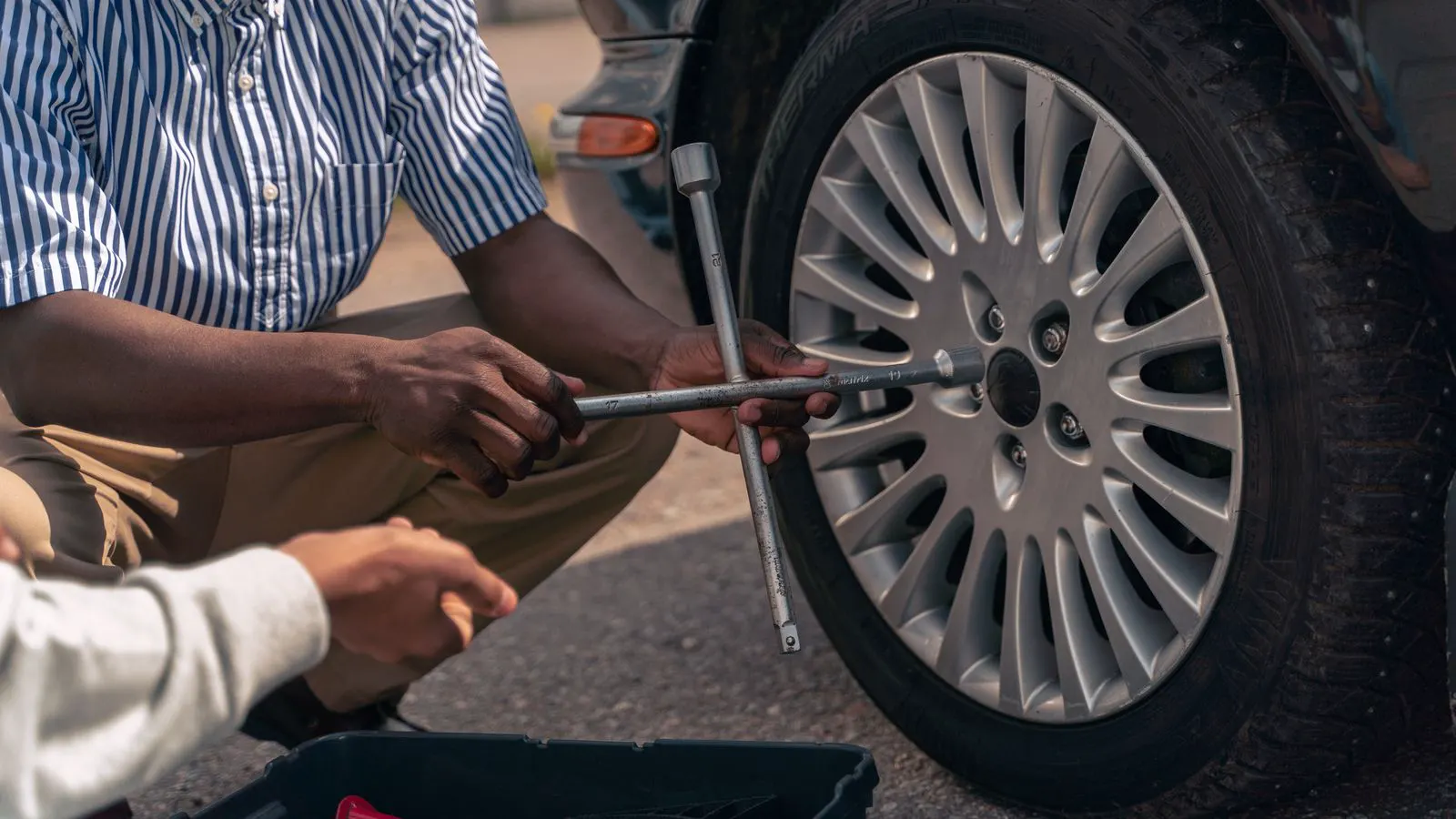
Understand lubricant types, grease and oil options, filling methods, and maintenance intervals for reliable gearbox service.
Oil-filled gearboxes typically need more frequent oil level checks and periodic replacements than grease-filled units. Grease offers longer service life but has limits.

Selecting the right cold weather gearbox oil depends on matching the base fluid viscosity and pour point to your minimum operating temperature. High viscosity index
A correct gearbox oil flush removes degraded lubricant and suspended particulates before installing new oil. This procedure protects meshing gears from wear and prevents
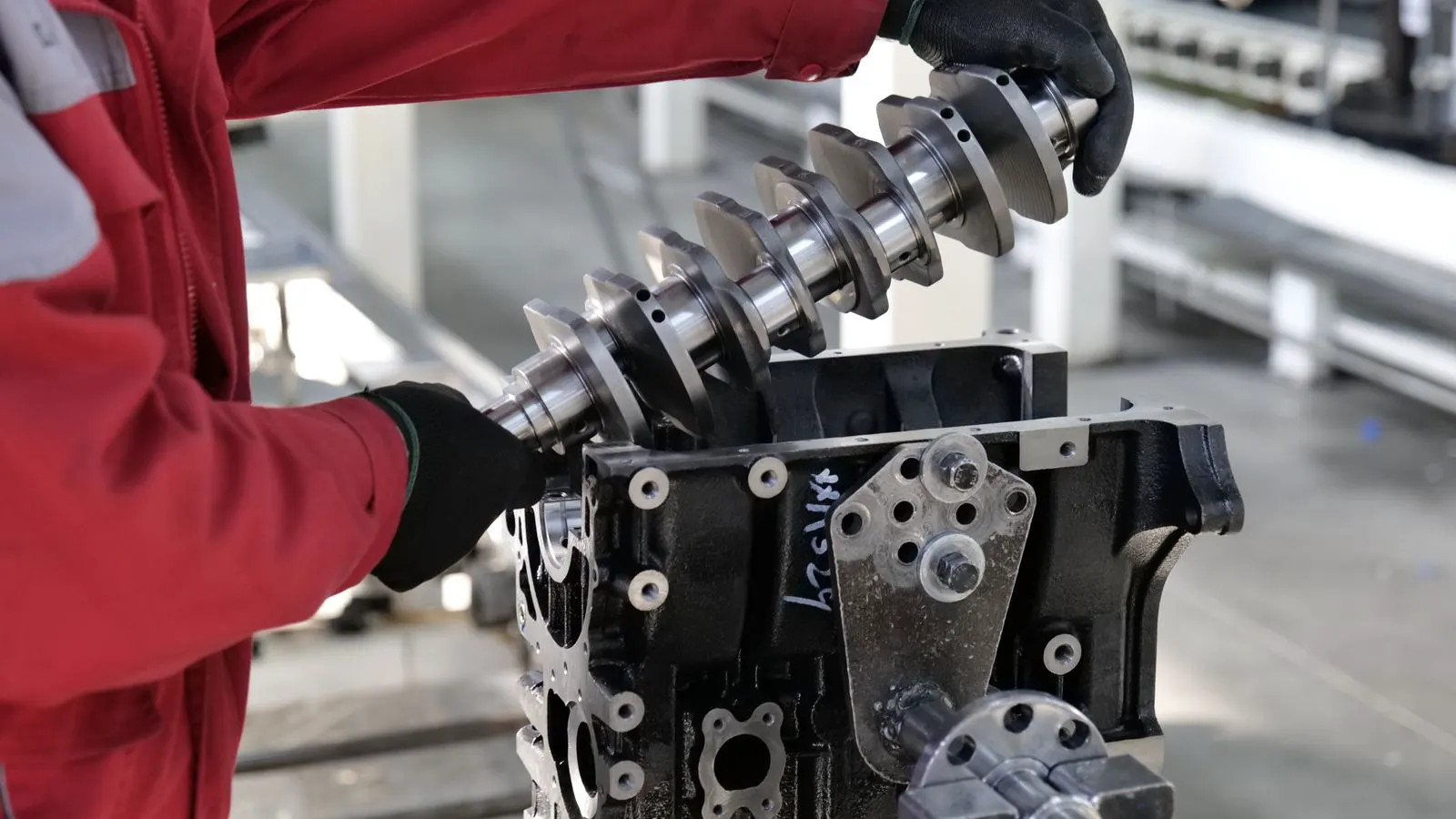
A gearbox oil fill point is the designated opening used to add or remove lubricant. It is usually a cap or plug near the top of the housing. Using the correct
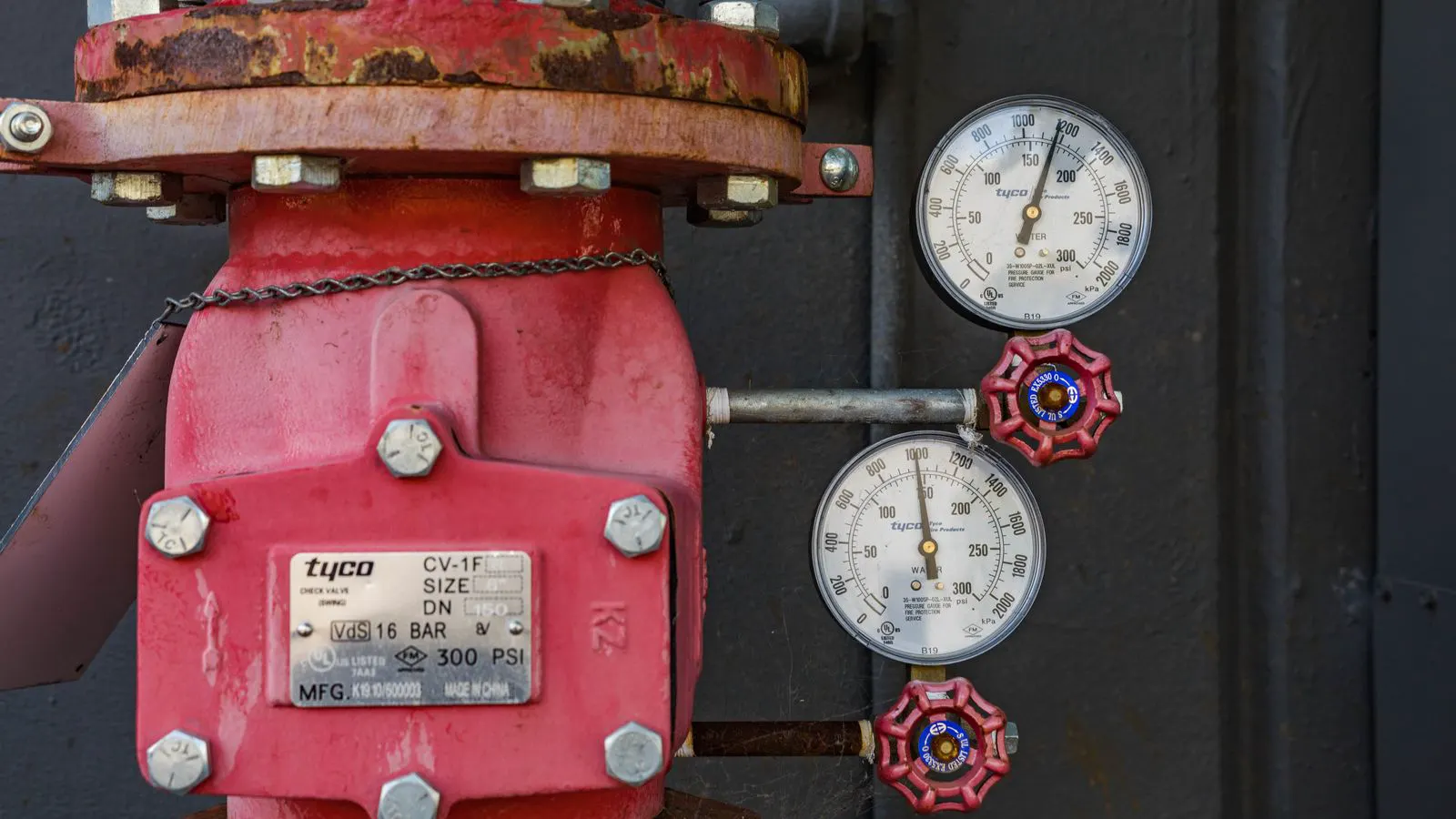
Synthetic gear oil changes how industrial reducers handle heat and wear. This guide outlines five practical shifts in lubricant selection and maintenance planning that
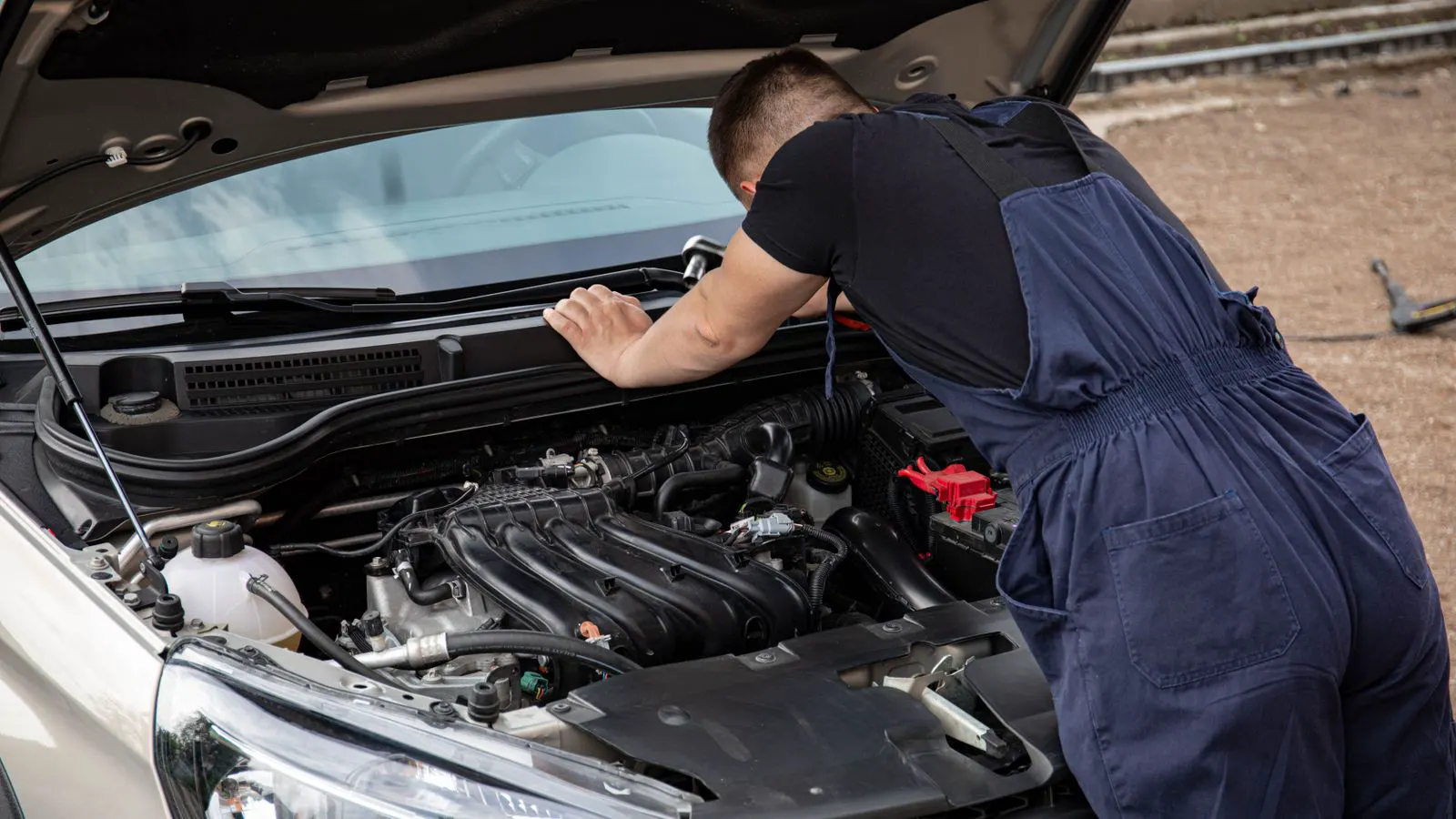
Identify common gearbox leak sources by inspecting seals, gaskets, and fittings. Use targeted checks to isolate leaks, replace worn components, and restore lubrication
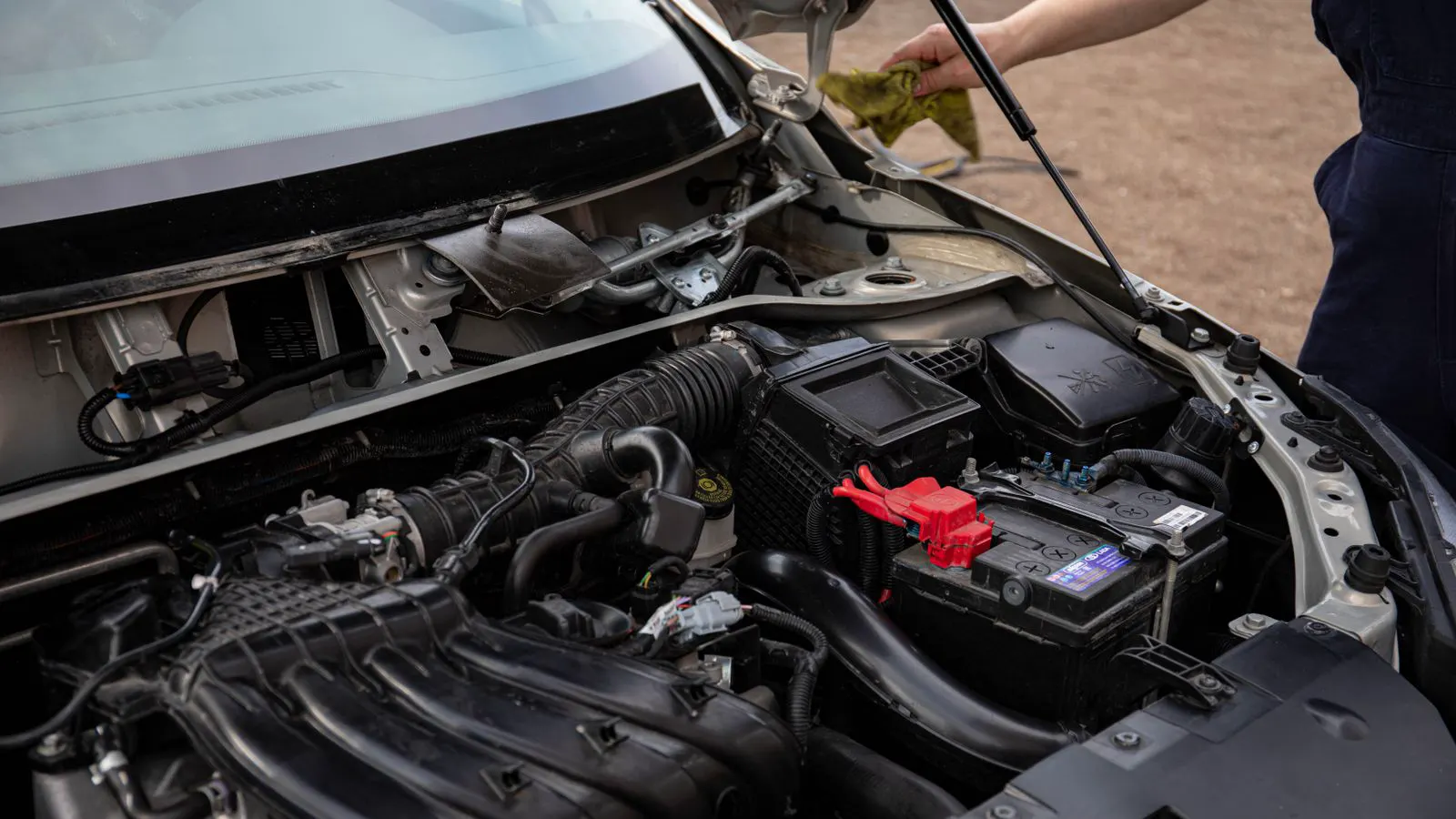
A practical audit checklist for gearbox maintenance covers alignment, lubrication, oil condition, and red flags. It helps maintenance teams detect early wear, verify
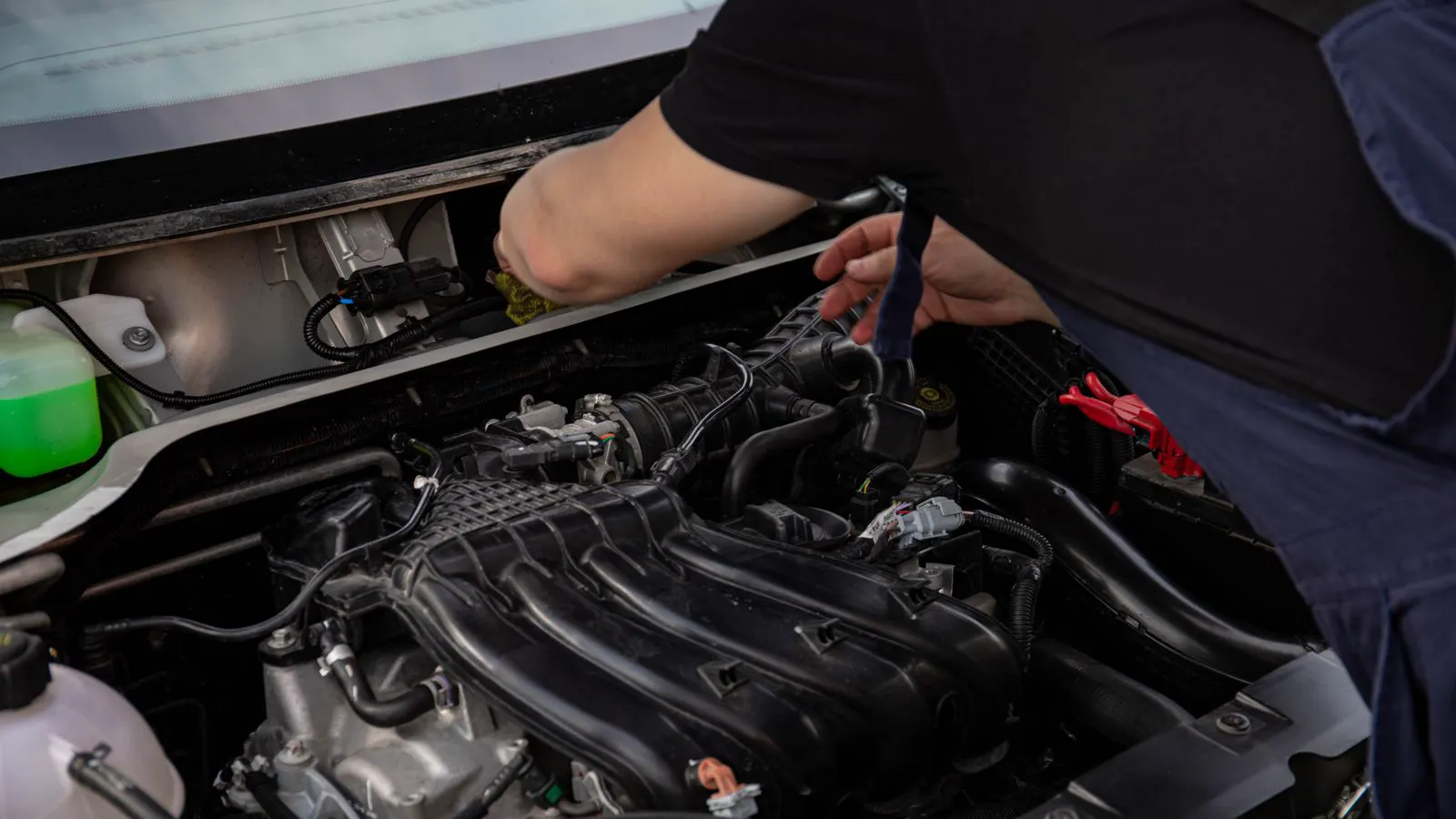
For high torque gearboxes, choose grease for enclosed, low-speed units and gear oil for high-speed or continuously loaded systems. Grease provides a film for
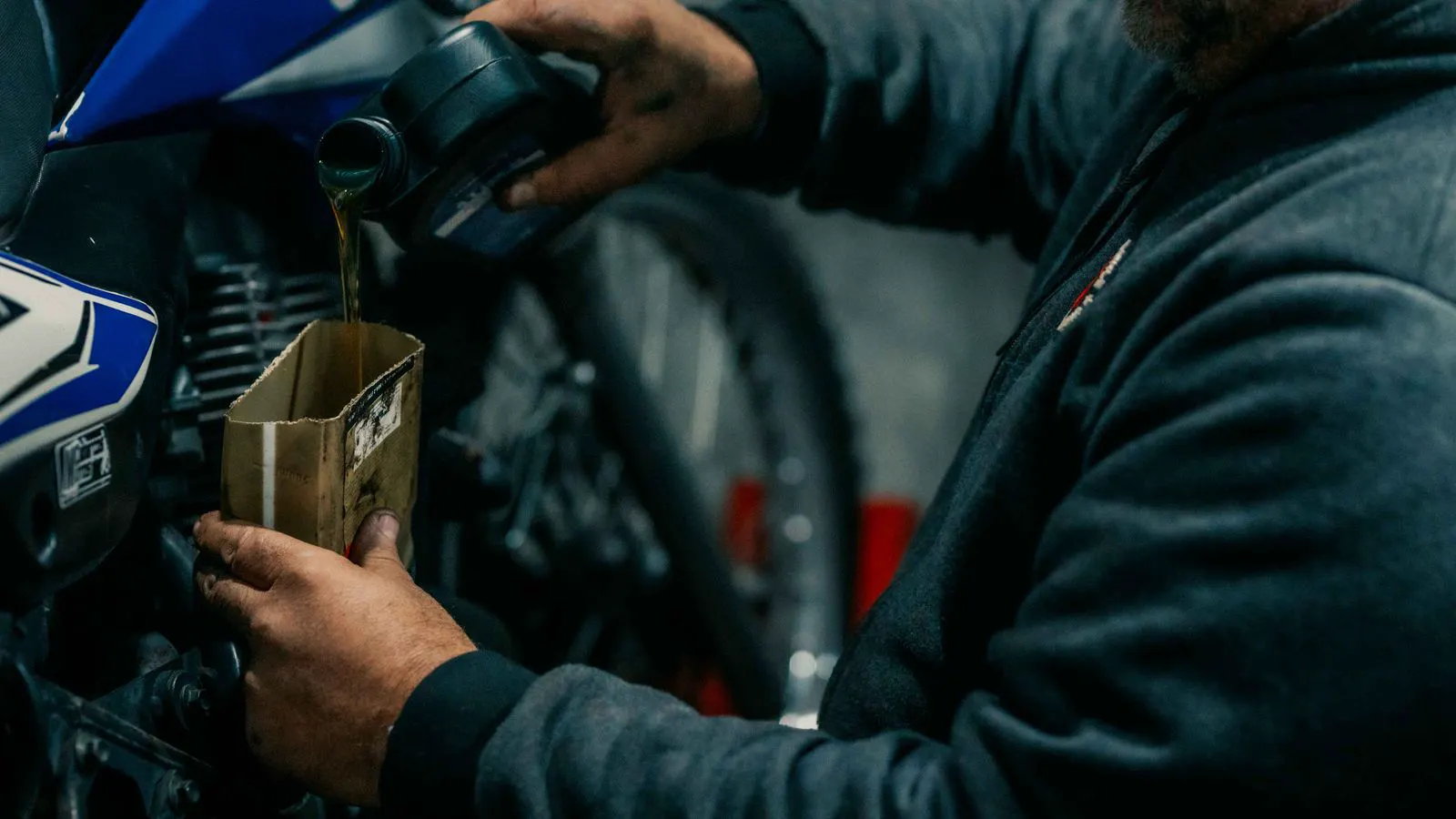
Proper gearbox oil filling requires a slow, controlled pour with the filler port open to release trapped air. Maintaining the correct oil level prevents starvation and
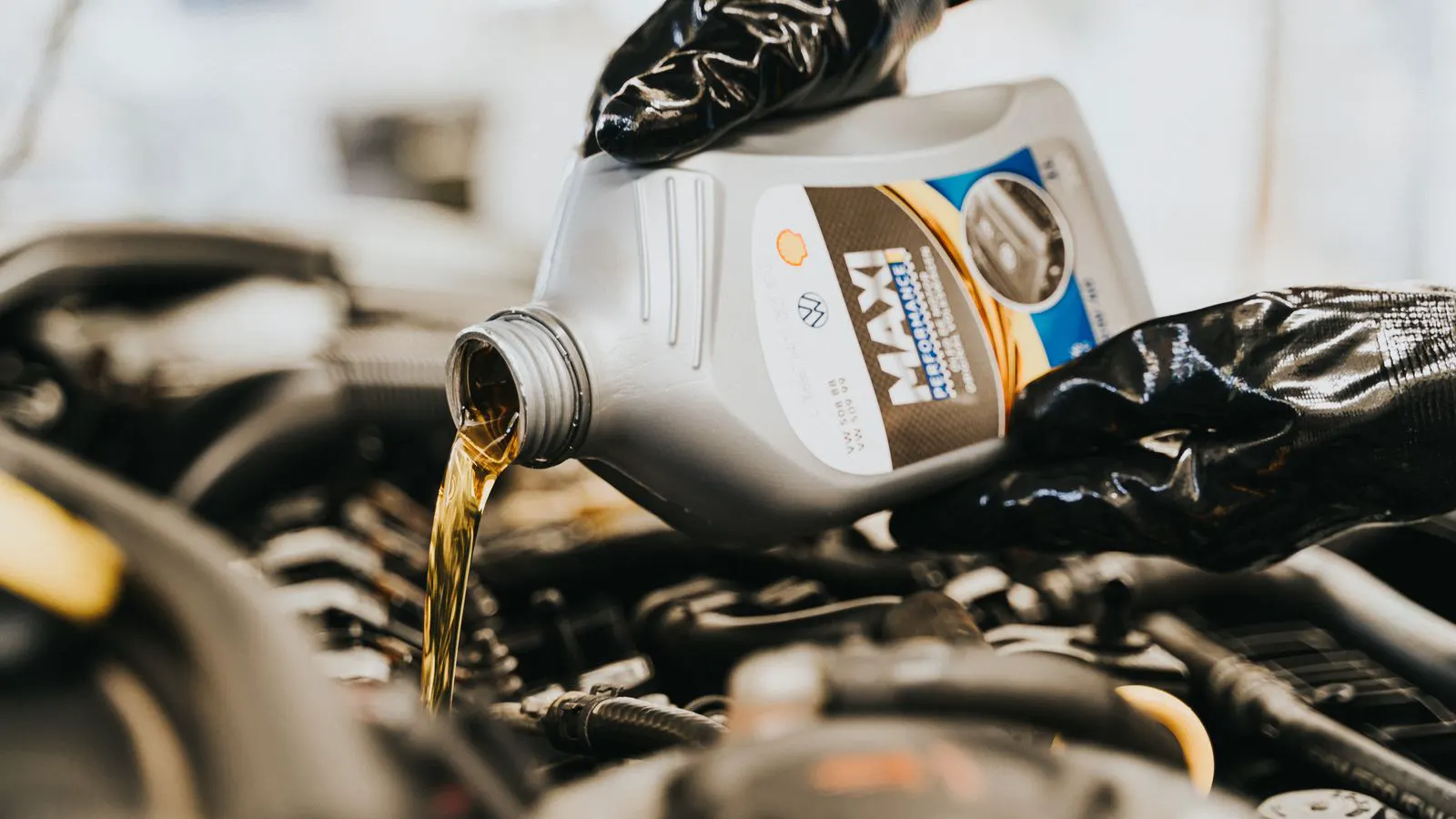
Grease and oil lubrication offer different trade-offs for maintenance cost and lead time. Grease reduces frequent oil changes but requires longer shutdowns for

EP additive technology provides temporary protective films on gear teeth during high-load contact. It prevents scuffing and wear by reacting chemically at the contact

Select the right gear oil by matching viscosity to operating speed and temperature, then verifying additive packages for load and duty cycles. Check OEM specifications