
Planetary & Worm Gears
How to Check Worm Gear Oil Temperature and Viscosity
Monitor worm reducer oil temperature with a thermometer or infrared gun to prevent thermal damage. Match oil viscosity to the manufacturer's specification sheet. Use oil

Compare planetary and worm gear reducers by ratio, size, efficiency, and typical uses in compact or high-reduction drives.
Monitor worm reducer oil temperature with a thermometer or infrared gun to prevent thermal damage. Match oil viscosity to the manufacturer's specification sheet. Use oil

Worm gears generally offer superior self-locking ability due to their helix angle, making them ideal for holding loads against gravity. Planetary gearboxes provide high

Single worm gearboxes generate more heat than multi-worm units because they use fewer contact points to transmit torque. This creates higher friction, which reduces

Proper lubrication of a compact worm gear reducer prevents dry running and heat buildup. This guide covers the right lubricant types, fill levels, and maintenance

Modern gearbox selection is shifting toward higher efficiency, compact solid-state designs, and advanced materials. This guide outlines five practical changes in
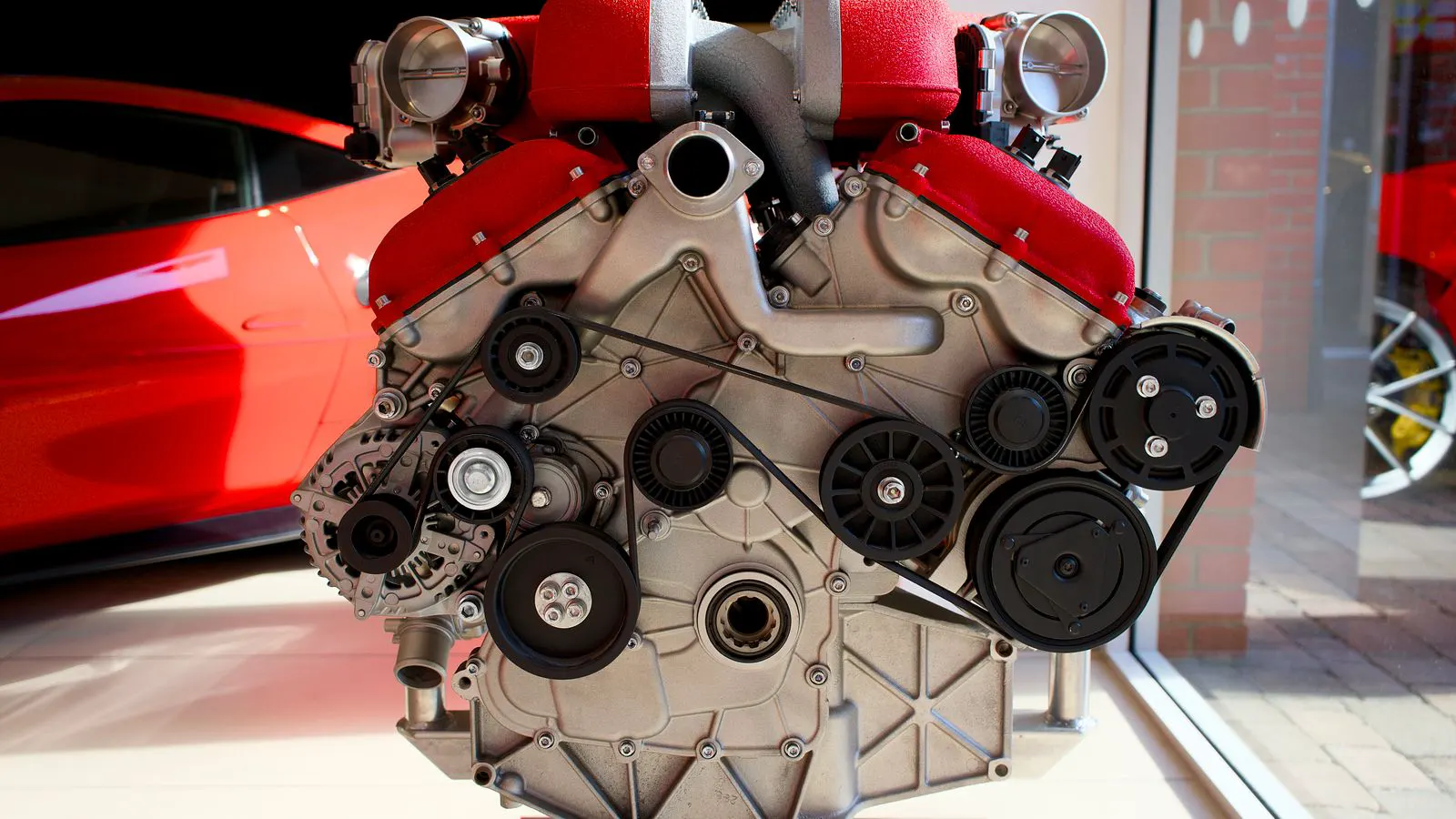
The cost of high torque reducers depends heavily on torque rating, housing material, duty cycle, and duty cycle. Lead times vary by region and specification complexity.
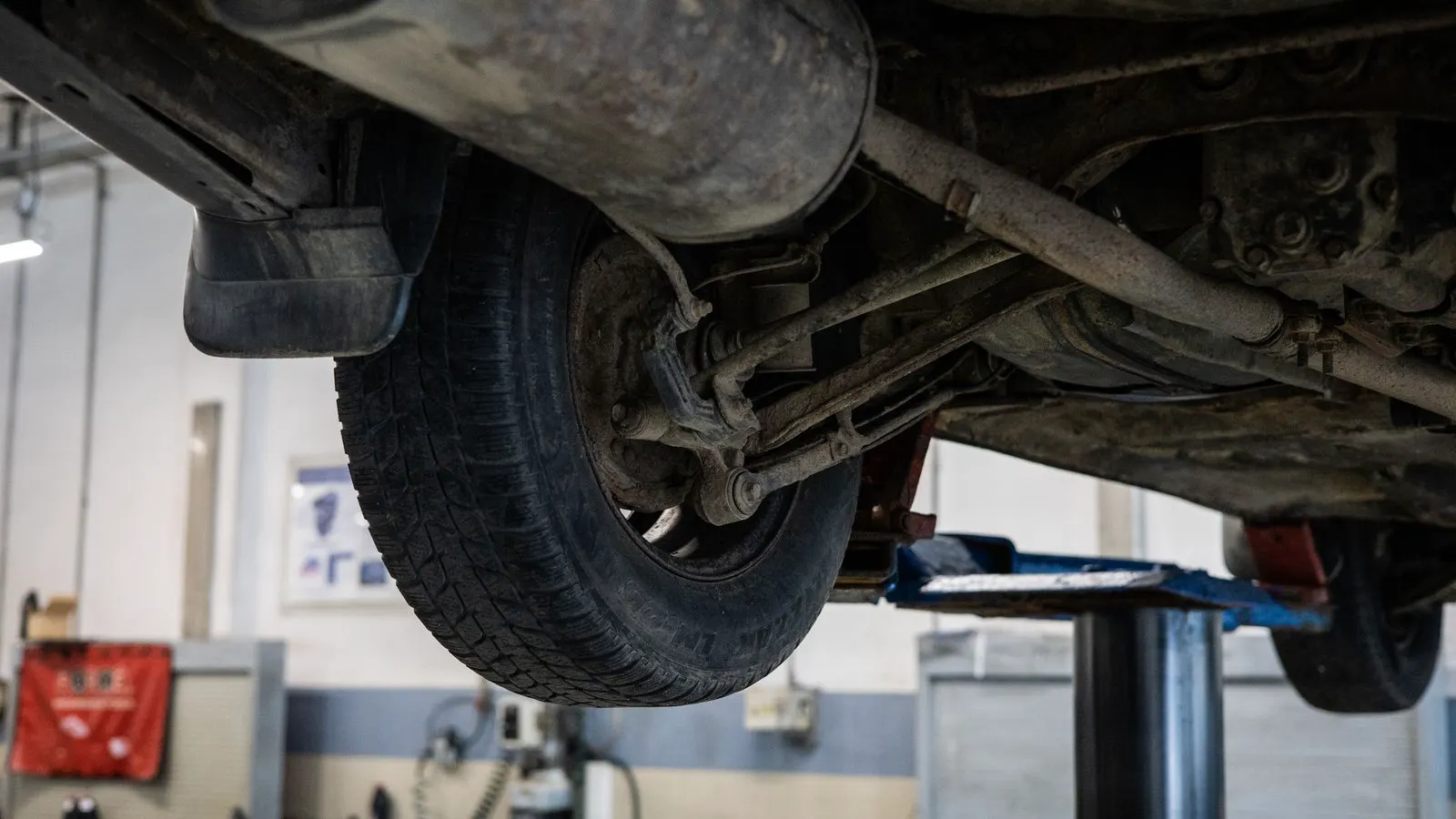
Right angle gearboxes require precise shaft and housing alignment to prevent premature bearing and gear tooth failure. This audit checklist provides a step-by-step
Select compact gearboxes by matching rated torque to load, checking speed ratios, and verifying housing dimensions. This guide provides a practical framework for

A worm gear reducer uses a helical screw to turn shafts at ninety degrees, providing high reduction ratios and self-locking capability. This guide covers its structure

A worm gear reducer is generally best for compact, high-torque drives requiring self-locking or noise reduction, while a planetary gearbox offers higher efficiency and
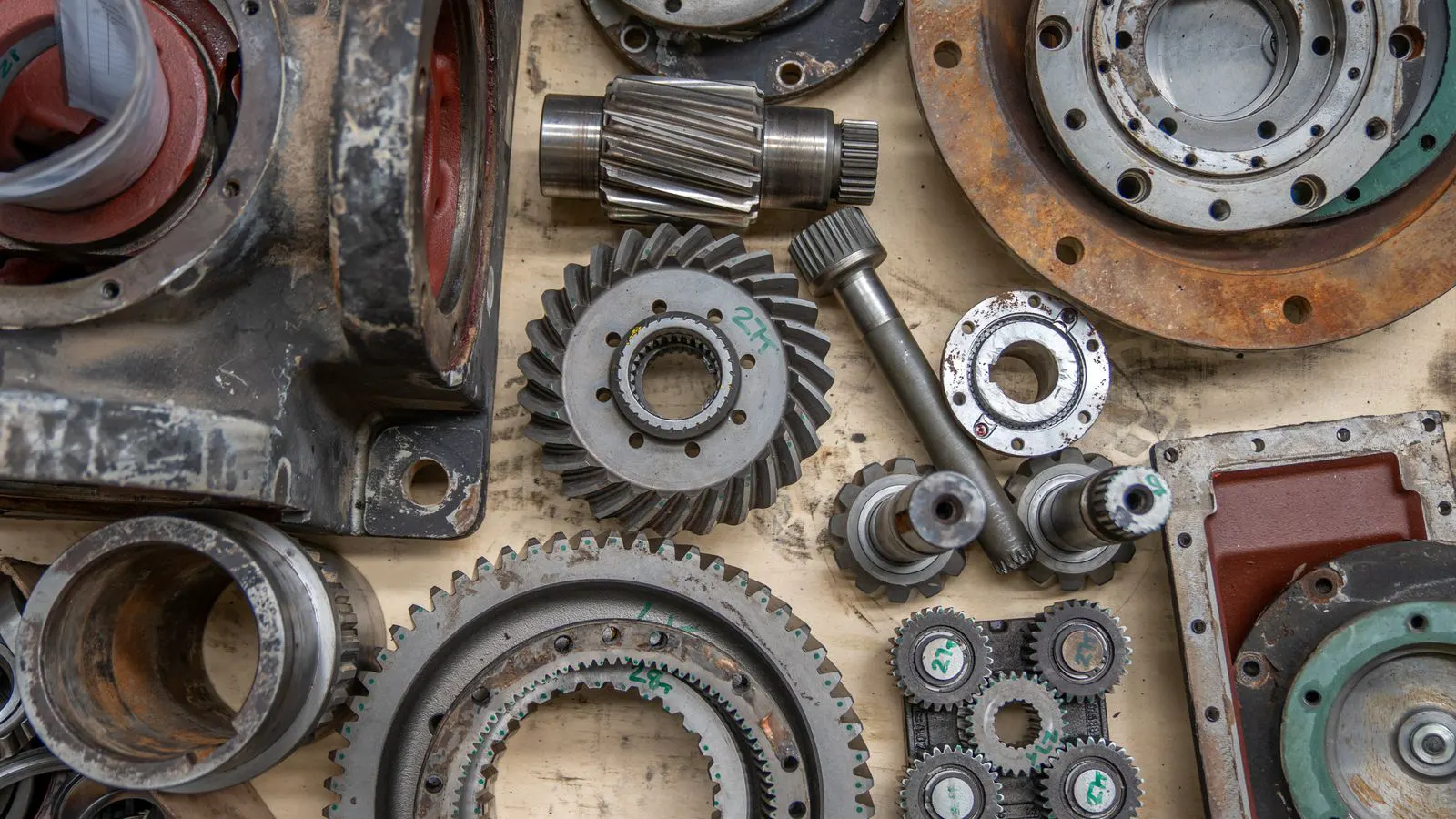
High torque planetary gearbox failure often stems from misalignment, poor lubrication, or overload. This guide lists common symptoms and provides actionable steps to