Gearbox Supplier Evaluation Checklist for Buyers
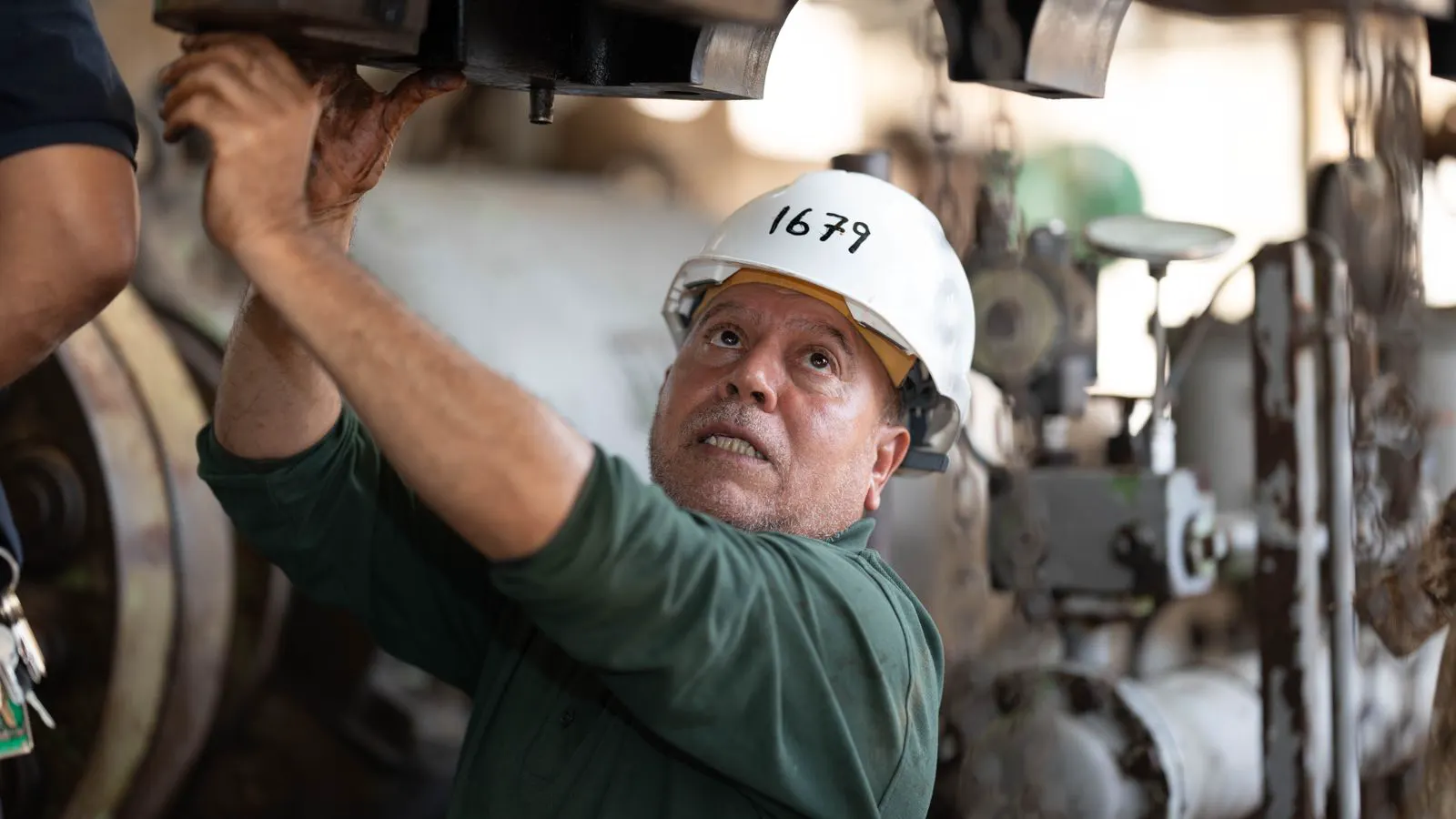
A structured evaluation checklist helps buyers verify supplier capabilities, technical support, quality systems, and warranty terms. This tool reduces the risk of receiving incorrect or defective power transmission equipment by confirming that the vendor meets specific operational and compliance requirements before purchase.
- Verify that the supplier holds valid quality management certificates and can provide recent audit reports or test data.
- Confirm that technical support is available for application matching, not just for handling order logistics or shipping questions.
- Check warranty terms carefully, as they often exclude damage caused by improper installation, overloading, or missing maintenance.
- Request a sample of the packing list and material test reports to ensure documentation matches the physical product.
- Use the checklist to compare at least two qualified suppliers before finalizing the purchase order.
Why a Structured Checklist Reduces Procurement Risk
Buying a gearbox is not just a transaction. It is a long term commitment to a component that will sit inside a critical part of your production line. If the unit fails, downtime costs can be much higher than the price of the equipment itself. A supplier evaluation checklist forces buyers to look past the initial quote and check the actual capabilities of the vendor.
The goal is to find a gearbox supplier that can deliver the correct unit, on time, with the right documentation and support. This section of the guide gives you a numbered list you can copy directly into your procurement folder. It groups the checks into themes so you can work through them systematically.
Quality Management and Certification Checks
Start here. If a supplier cannot prove how they build their products, you are taking a risk. Do not rely on the website alone. Ask for the actual certificates and check the dates.
- Request a copy of the current ISO 9001 certificate. Verify the scope of certification. A certificate that only covers office management is not the same as one that covers the production floor.
- Ask if the supplier has a specific quality management system for power transmission products. Look for references to torque testing, gear meshing checks, and load testing in their quality plan.
- Check for material test reports. For critical applications, ask for certificates of conformance for the steel or alloy used in the gears and shafts.
- Ask about traceability. Can the supplier link a specific serial number back to a specific batch of material and a specific test run?
- Review the supplier’s corrective action process. Ask how they handle a customer complaint when a unit fails. Do they replace it, repair it, or investigate the root cause?
Red flags to watch for: The supplier will not share their quality manual. They claim to have certifications but cannot provide a copy of the latest certificate. They have no record of incoming material inspection. They treat a quality issue as a normal occurrence rather than a process failure.
Technical Support and Application Engineering
A good gearbox supplier answers questions. A great one helps you solve a problem before you buy. Technical support is where you find out if the vendor actually understands your application.
- Ask if the supplier has an application engineer available for your specific use case. Do not settle for a sales representative who only knows the catalog.
- Request a calculation sheet. A serious supplier should show how they calculated the torque, speed, and safety factor for your unit.
- Ask about the thermal capacity of the unit. If your application involves high duty cycles, ask how the supplier determines if the unit will overheat.
- Check if they provide selection software or online calculators. These tools can help verify the selection before you sign the contract.
- Ask about the training materials available. Do they provide installation guides, maintenance schedules, and torque specifications?
Red flags to watch for: The technical team is only reachable during business hours and takes days to reply. They cannot provide a torque calculation for your specific load. They push you toward a standard unit without asking about your operating environment. They do not have a dedicated contact for technical issues after the sale.
Manufacturing Capability and Supply Chain Stability
You need to know who is actually building the unit. Some suppliers are OEMs. Others are traders who buy from a third party and rebrand the product. Both models can work, but the risk profile is different.
- Ask for a site visit or a video tour of the production area. If they are a trader, ask for documentation that proves the origin of the gearboxes.
- Check their lead times. Ask for the standard lead time and the lead time during peak production periods.
- Ask about their sub-suppliers. If they source bearings, motors, or housings from outside, can they provide the specifications of those components?
- Request their inventory policy. Do they hold stock of standard units, or do they build everything to order?
- Ask about their contingency plans. What happens if a key supplier goes out of business or if a component is out of stock?
Red flags to watch for: They cannot tell you where the gears are machined. They have no stock of any standard units and promise a delivery date that seems too short. They do not know the brand of the bearings they use. They are vague about their supply chain and refuse to share supplier names.
Warranty, Return Policy, and Service Terms
The warranty is your safety net. Read it carefully. A standard warranty can be very different from what you might expect.
- Ask for the standard warranty period. Is it one year, two years, or longer?
- Check the scope of the warranty. Does it cover manufacturing defects, or does it exclude damage from installation, overloading, or misuse?
- Ask about the return process. Who pays for shipping a defective unit back? Do they provide a replacement unit first, or do you have to wait for a return?
- Check if they offer extended warranty options. Some suppliers will sell a longer warranty for a premium cost.
- Ask about the service network. Do they have authorized service centers in your region, or do you have to send the unit to their headquarters for repair?
Red flags to watch for: The warranty is vague and says “normal wear and tear” without defining it. They require you to pay return shipping for any claim. They do not offer a loaner unit or quick replacement. They only have one service center in a distant country.
Documentation, Compliance, and Logistics
The final step is to make sure the paperwork is in order. A gearbox without the right documents is a headache.
- Request a sample of the packing list. Make sure it includes the serial number, model number, and a list of accessories.
- Ask about the compliance marking. Do they use ISO, CE, or another standard? Check if the marking applies to the whole unit or just specific parts.
- Check if they provide a material test report. This is often required for export or for use in certain industries.
- Ask about the packaging. How is the unit protected during shipping? Do they use wooden crates, or is it just a box?
- Request their Incoterms. Know who is responsible for customs, insurance, and delivery.
Red flags to watch for: They cannot provide a material test report. The packing list is generic and does not match the actual unit. They do not know the Incoterms and push you to use their preferred freight forwarder without giving you options. They do not have a clear process for handling customs paperwork.
A Comparison Table for Supplier Evaluation
Use this table to compare two or more suppliers side by side. It helps you see the differences clearly and make a more informed decision.
| Criteria | Supplier A | Supplier B |
|---|---|---|
| Quality Certification | ISO 9001 | ISO 9001 |
| Technical Support | Sales only | Dedicated engineer |
| Lead Time | 8 weeks | 6 weeks |
| Warranty Period | 1 year | 2 years |
| Material Reports | On request | Standard |
| Service Network | Regional center | Global network |
This table is a simple tool. Do not ignore the details. A supplier with a longer warranty but no technical support might be a worse fit than one with a shorter warranty but strong engineering help.
Final Steps Before Placing the Order
Once you have filled out the checklist, review your notes. Look for any gaps. If a supplier cannot answer a question, ask why. If they are evasive, take that as a sign.
- Confirm the final quote in writing. Make sure it includes the model number, the quantity, and the delivery date.
- Ask for a sample of the packing list and the material test report.
- Check the warranty terms one last time.
- Agree on the communication plan. Who will you talk to during production?
- Place the order. Keep a copy of the checklist and all the emails in your project file.
A supplier evaluation checklist is not a one time task. Keep it updated as you work with the supplier. If you have a good experience, add notes about their strengths. If you have a problem, note it down. This information will be valuable the next time you need to buy a gearbox.
Frequently asked questions
How often should I update my supplier evaluation checklist?
Update it after each major order or if you experience a service issue. This keeps the checklist relevant and helps you spot problems early.
Can I use this checklist for a single small order?
Yes. Even for a small order, the checklist helps you confirm the quality and support terms. It is a good habit to build.
What if a supplier cannot provide a material test report?
Ask why they do not have one. If they cannot explain, look for another supplier. A material test report is a basic part of quality control.
Do I need to visit the supplier's factory?
Not always. A video tour or a third party audit can be enough for many buyers. A physical visit is a good idea for large or critical orders.
How do I handle a warranty claim?
Follow the supplier's process. Keep photos of the unit and any damage. Provide your serial number and a description of the issue. Send the unit back if required.