How to Audit a Gearbox Manufacturer Before Ordering
A proper supplier evaluation prevents costly downtime by verifying a gearbox manufacturer's technical support, quality controls, and compliance before you place an order. This guide provides a step by step process for buyers to audit capability.
- Audit technical support capabilities before signing a contract
- Verify certifications and quality documentation against your specific application requirements
- Conduct factory inspections to observe actual production processes
- Test supplier responsiveness with realistic technical scenarios
- Document all evaluation results for future procurement decisions
Why Supplier Evaluation Matters for Gearbox Projects
The right gearbox protects your production line from costly downtime. The wrong one introduces recurring maintenance issues, unexpected failures, and extended repair windows. Many procurement teams select suppliers based on price alone. They then discover that the unit does not match their operating conditions or that after sales support is unavailable.
A structured supplier evaluation identifies these risks before purchase. It focuses on the manufacturer’s actual capability, not just their marketing materials. This process protects both your equipment and your project timeline.
Before You Start: Define Your Evaluation Criteria
Establish your requirements before contacting any gearbox supplier. Your application parameters determine what matters.
- Operating torque and speed ranges
- Mounting configuration and weight constraints
- Environmental conditions such as temperature, humidity, or corrosive atmospheres
- Required certifications for your industry and region
- Expected maintenance intervals and spare parts strategy
- After sales support expectations including response times and documentation
Document these requirements clearly. They become your benchmark for every subsequent evaluation step. Without clear criteria, supplier comparisons become subjective and difficult to justify to stakeholders.
Step 1: Verify Technical Documentation and Design Capability
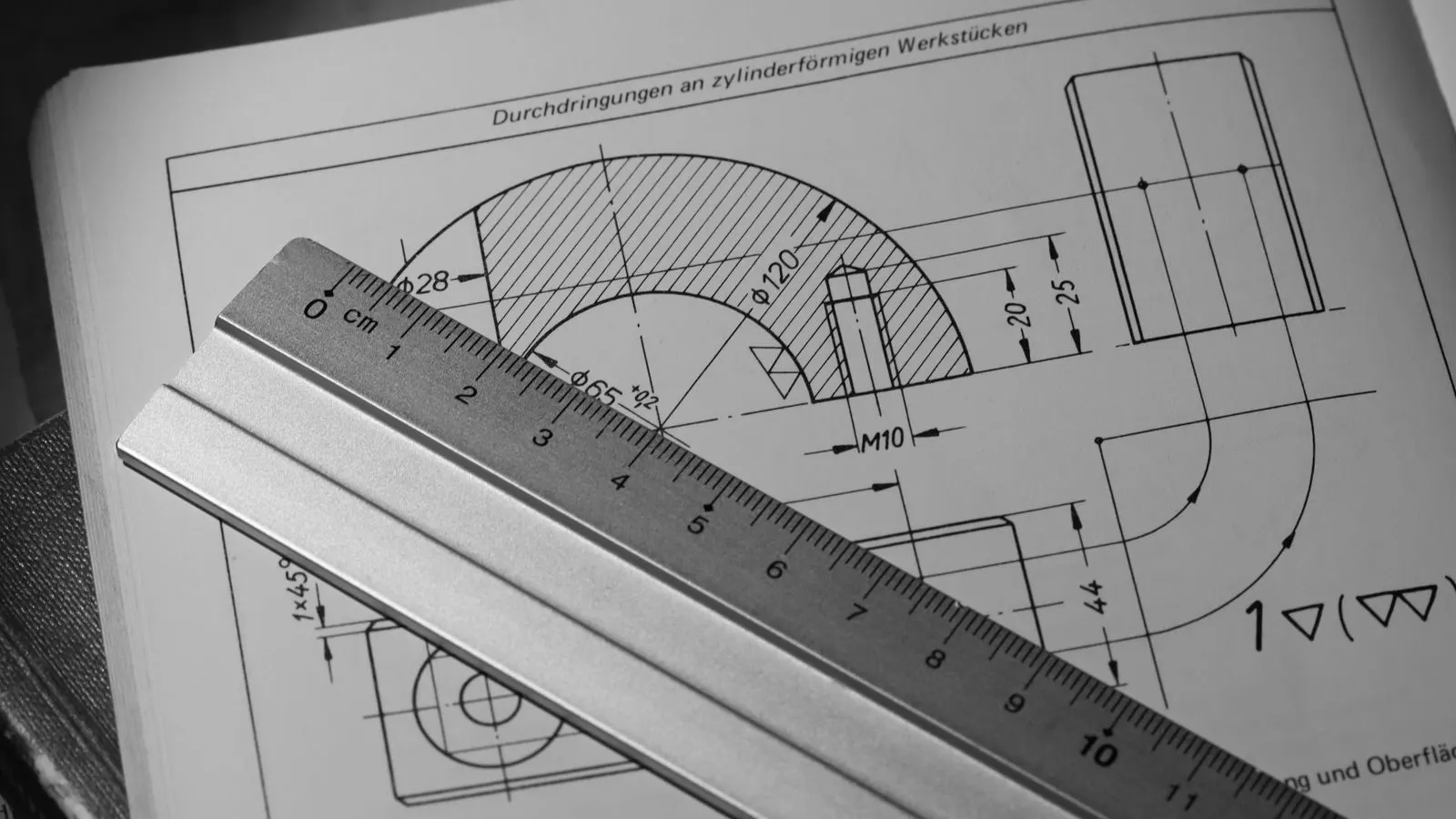
Request the manufacturer’s technical documentation package. This typically includes general assembly drawings, torque speed curves, efficiency data, and thermal calculations.
Examine how the supplier handles custom configurations. Ask for examples of past designs that match your application parameters. Look for evidence that they can modify standard units or design custom solutions. A supplier that only offers catalog products may not meet your specific needs.
Check the quality of their engineering documentation. Are drawings to recognized standards? Do torque curves show realistic values? Efficient documentation indicates disciplined engineering processes. Poor documentation often signals weak quality control.
The reason for this step is clear. Technical competence determines whether the gearbox will perform reliably in your application. A supplier that cannot document its designs properly is unlikely to maintain them properly after installation.
Step 2: Assess Quality Management Systems
Request information about the manufacturer’s quality management system. Look for evidence of documented processes for incoming material inspection, in process checks, and final testing.
Ask specifically about:
- Material traceability for gears, shafts, and housings
- Heat treatment processes and certifications
- Gear surface finish measurements
- Assembly torque verification procedures
- Final load testing or functional testing protocols
The reason for this step is that quality systems prevent defects from reaching your facility. A supplier with weak quality controls creates a hidden cost in your maintenance budget. You are not just buying a gearbox. You are buying the reliability of their manufacturing process.
Do not accept generic claims. Ask for recent audit reports or examples of corrective action records. This shows the system actually functions rather than existing only on paper.
Step 3: Evaluate Technical Support Infrastructure
Technical support determines your long term relationship with the supplier. Before ordering, establish what support will look like after installation.
Ask about:
- Response times for technical queries
- Availability of application engineers
- Documentation support for your specific installation
- Troubleshooting protocols for common issues
- Remote support capabilities through data analysis or diagnostics
The reason for this step is that technical support becomes your primary resource when problems occur. A gearbox in service is only as good as the support behind it. If the supplier cannot explain their product clearly during evaluation, they will struggle to help you during a breakdown.
Test their responsiveness. Send a technical question outside business hours or at the end of a week. Note how quickly they respond and how thoroughly they answer. This is a real world test of their support capability.
Step 4: Review Certification and Compliance Status
Verify that the supplier holds the certifications relevant to your industry and region. This goes beyond basic quality marks.
Consider your specific requirements:
- Regional compliance markings for electrical equipment
- Industry specific safety certifications
- Material compliance for food, pharmaceutical, or chemical applications
- Environmental regulations for waste and emissions during manufacturing
The reason for this step is that non compliant gearboxes create liability and potential shutdowns. A supplier that cannot demonstrate proper compliance puts your project at risk before installation even begins.
Check that certifications are current and specific to the product type you need. Some suppliers hold general manufacturing certifications but not the specific product certifications your application requires.
Step 5: Conduct a Factory Inspection
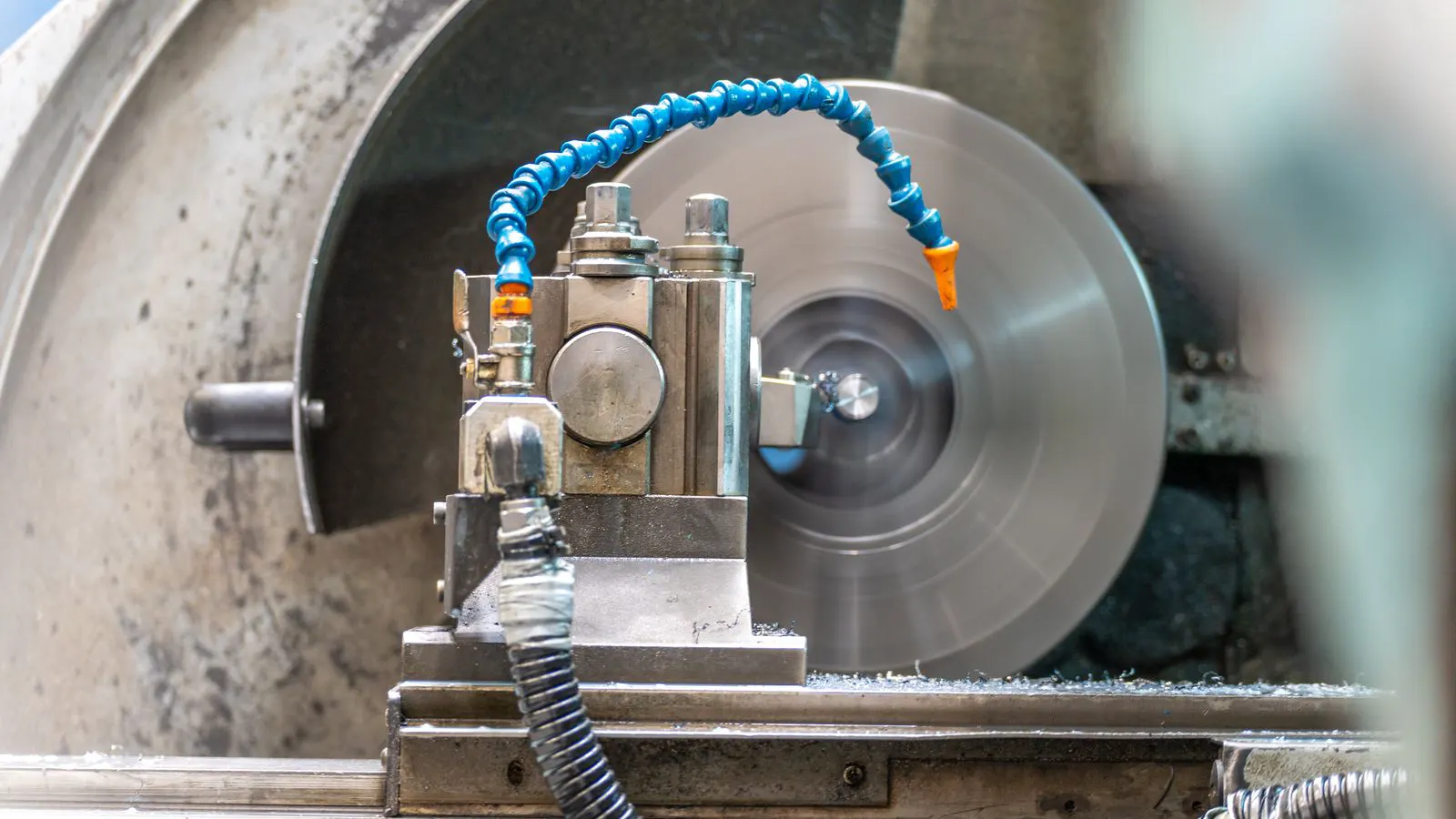
Visit the manufacturing facility if possible. This inspection reveals what documents cannot show.
Observe:
- Cleanliness and organization of the workshop
- Tooling condition and maintenance practices
- Worker training and adherence to procedures
- Material storage and handling
- Production flow and bottlenecks
- Quality control stations in the production line
The reason for this step is that factory conditions reflect the supplier’s commitment to quality. A well maintained facility with trained personnel produces different results than a chaotic workshop. You see the reality of their manufacturing capability.
If a full inspection is not possible, request a detailed video tour or written process descriptions. Focus on the same areas you would observe in person. The level of detail and transparency you receive is telling.
Step 6: Test Communication and Project Management
Evaluate how the supplier handles project communication. This often determines your day to day experience.
Assess:
- Clarity and timeliness of responses
- Willingness to provide detailed information
- Ability to handle technical discussions
- Responsiveness to changes or clarifications
- Professionalism in all interactions
The reason for this step is that project management quality affects your timeline and stress levels. A responsive, organized supplier makes complex installations manageable. A disorganized one creates confusion and delays.
Ask about their project management process. How do they handle order tracking? Who is your single point of contact? What happens if a delivery is delayed? Clear answers indicate mature processes.
Step 7: Review Warranty and After Sales Terms
Understand the warranty terms completely before ordering. Read the fine print, not just the headline.
Check:
- Warranty duration and coverage scope
- Exclusions and limitations
- Replacement or repair policies
- Cost of shipping for warranty work
- How extended warranty or maintenance contracts work
- Spare parts availability and lead times
The reason for this step is that warranty terms define your risk exposure. A generous headline warranty with many exclusions offers little protection. A reasonable warranty with clear terms and accessible spare parts provides genuine security.
Ask about their track record with warranty claims. How long do typical repairs take? What percentage of claims are resolved on first contact? This information helps you plan for potential issues.
Step 8: Verify Financial and Operational Stability
Assess the long term viability of your supplier. You need a partner who will be around in five years, not just next quarter.
Consider:
- Company history and market presence
- Financial health indicators
- Customer base diversity
- Production capacity and growth plans
- Key personnel stability
The reason for this step is that supplier stability affects your long term supply security. A financially unstable supplier may face production disruptions, reduced support, or even closure. Your gearbox maintenance strategy depends on continued access to parts and support.
Ask about their customer base. Do they serve multiple industries? Is your application typical for them? A supplier with diverse customers and a stable history presents lower risk than one dependent on a single client or volatile market segment.
Step 9: Final Verification and Decision
Compile all your findings into a decision document. Compare each supplier against your initial requirements.
Create a scoring matrix using your evaluation criteria. Weight each factor based on your application’s priorities. For a critical production line, quality and technical support may outweigh price. For a non critical application, cost may carry more weight.
The reason for this step is that it removes emotion from the decision. A documented evaluation process protects you from selection bias and provides a clear basis for your choice. It also creates a reference for future procurement decisions.
Before placing the order, send a final confirmation of all agreed terms. This includes specifications, delivery schedule, warranty terms, and support expectations. Get written confirmation on all points. This prevents misunderstandings that could affect your project.
Common Mistakes in Supplier Evaluation
Procurement teams make predictable errors when evaluating gearbox suppliers.
- Choosing the lowest price without verifying technical fit
- Accepting marketing claims without requesting documentation
- Skipping factory inspections due to time constraints
- Ignoring after sales support capabilities
- Failing to document evaluation findings
- Not testing supplier responsiveness with real technical questions
- Overlooking warranty exclusions that void coverage
These mistakes create expensive problems later. A gearbox that fails in three months costs more than the small premium for a properly evaluated supplier.
Final Checklist Before You Order
Use this checklist to confirm your supplier selection:
| Check Item | Verification Method | Status |
|---|---|---|
| Technical documentation complete and accurate | Review requested package | |
| Quality management processes documented | Request system overview | |
| Technical support response tested | Send technical query | |
| Relevant certifications confirmed | Request certificates | |
| Factory inspection completed or requested | Site visit or video tour | |
| Warranty terms reviewed and understood | Read warranty document | |
| Financial stability assessed | Review company information | |
| Written confirmation of all terms | Final order documentation |
A thorough supplier evaluation takes time. It prevents the far greater cost of a failed gearbox. Your production line depends on this decision. Invest the effort to verify capability before you commit to an order.
Frequently asked questions
How long should a supplier evaluation process take?
A thorough evaluation typically takes two to six weeks depending on complexity. Simple catalog purchases may require less time. Custom designs with multiple suppliers need more due diligence.
What if a supplier cannot provide factory access?
Request detailed process documentation, video tours, and third party audit reports. If they refuse all transparency, treat this as a significant red flag.
Should I always choose the cheapest supplier?
Price should be one factor among several. A significantly cheaper unit with poor support or quality creates higher total cost of ownership. Evaluate the full picture.
How do I verify technical support is genuine?
Test them with real technical questions before ordering. Note response time and quality. Ask about available application engineers and troubleshooting resources.
What documents should I keep from the evaluation process?
Save all technical documentation, communication records, inspection reports, and final confirmation emails. This creates your procurement record for future reference.